
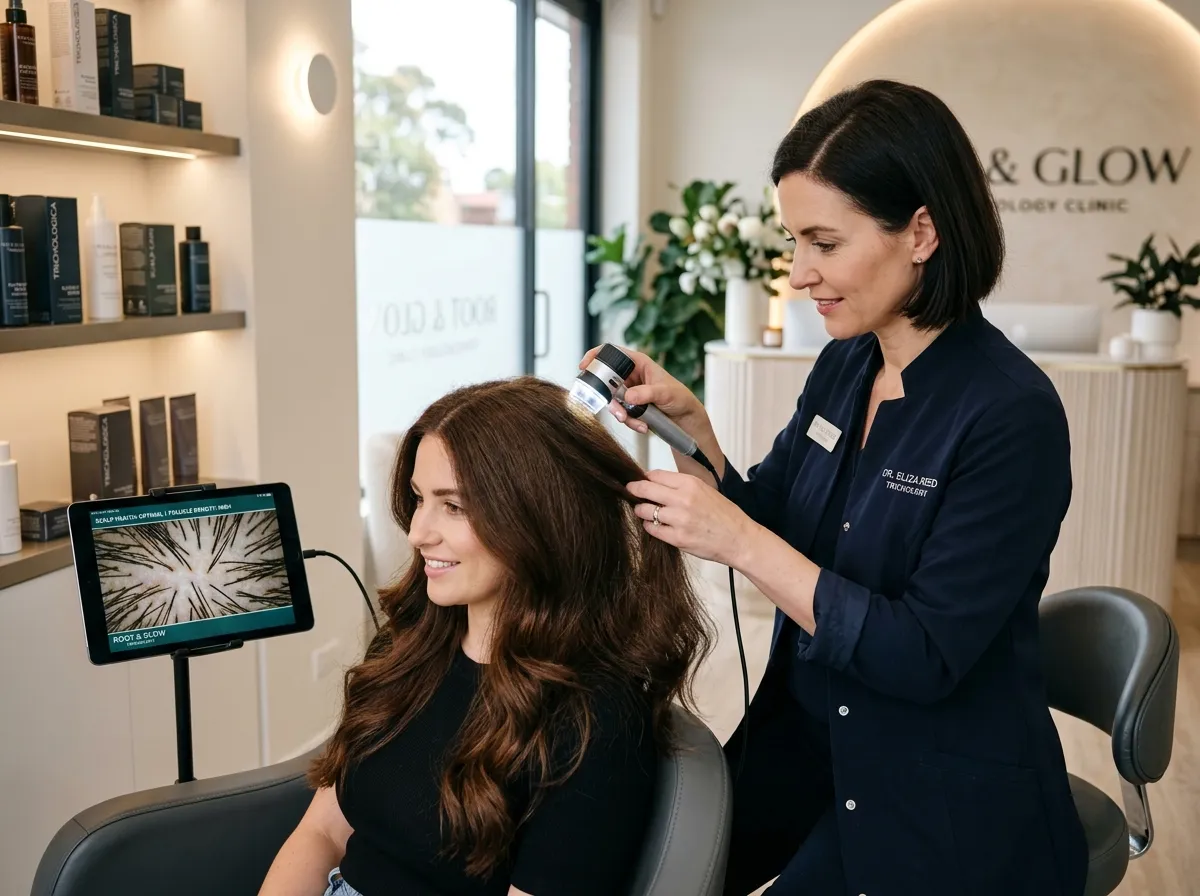
Hair loss is a common concern that affects millions of people worldwide, but the landscape of treatment is rapidly evolving. As we move through 2026, the focus has shifted from merely concealing thinning hair to actively promoting regrowth through advanced scientific methods. Understanding the latest hair loss prevention strategies and modern treatments can empower you to take control of your hair health. Whether you are just starting to notice extra shedding or are looking for comprehensive restoration options, the current innovations offer more hope and tangible results than ever before.
The beauty and medical industries are converging to create solutions that address the root causes of hair thinning. Consequently, we are seeing a surge in regenerative therapies that utilize the body’s own healing mechanisms. By staying informed about these breakthroughs, you can make educated decisions about your hair care journey. Let us explore the most effective prevention techniques and the cutting-edge treatments defining hair restoration today.
Understanding the Root Causes of Hair Thinning
Before diving into treatments, it is crucial to understand why hair loss occurs in the first place. Genetics play a significant role, particularly in conditions like androgenetic alopecia, which affects both men and women. However, genetics are not the only factor. Hormonal imbalances, nutritional deficiencies, and chronic stress can all disrupt the natural hair growth cycle. Furthermore, environmental factors and improper hair care routines can exacerbate shedding and weaken the hair shaft.
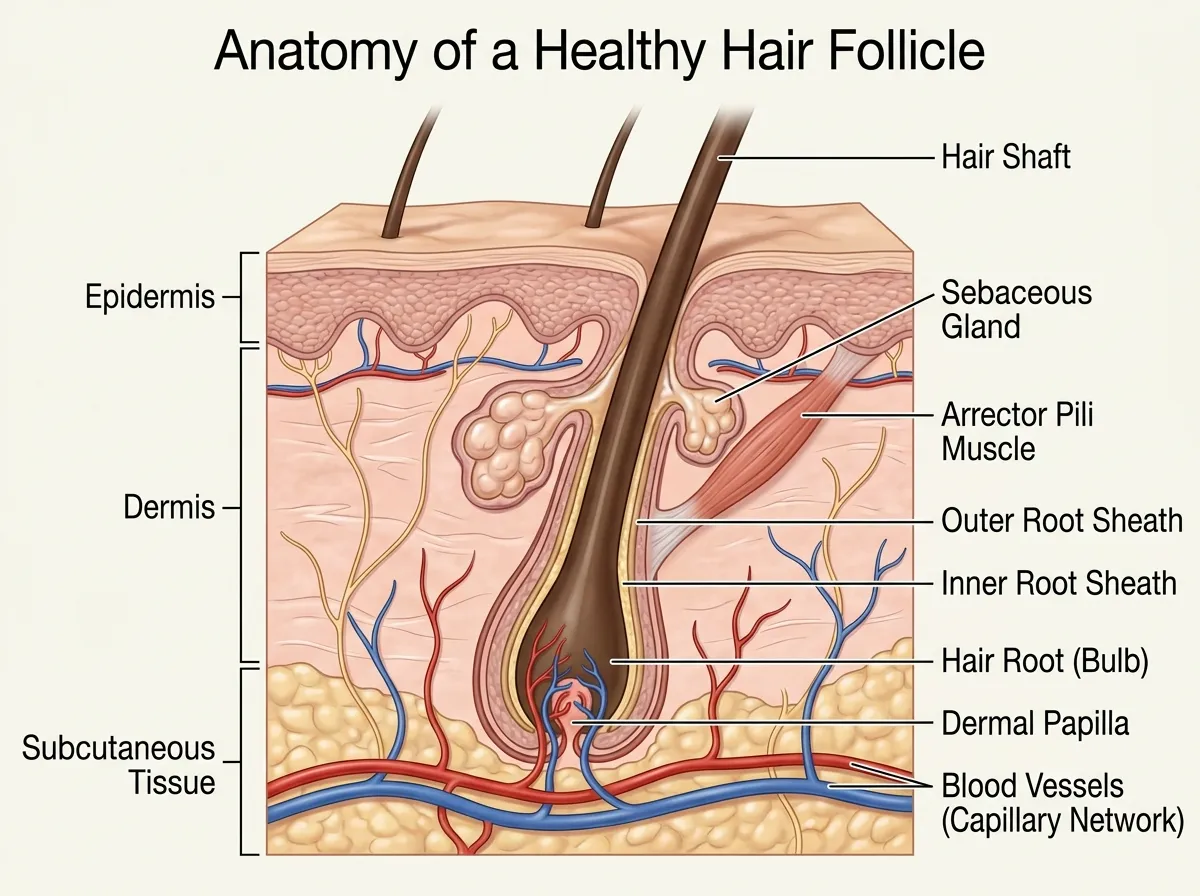
Identifying the specific cause of your hair loss is the first step toward effective prevention. For instance, if your thinning is related to scalp inflammation, addressing the underlying scalp microbiome balance might be necessary. A healthy scalp environment is essential for robust hair growth, as it provides the foundation for strong follicles. Therefore, consulting with a professional trichologist or dermatologist can help pinpoint the exact triggers affecting your hair.
Proactive Hair Loss Prevention Strategies
Prevention is always better than cure, and this rings especially true for hair health. Implementing proactive strategies early on can significantly delay or reduce the severity of hair thinning. One of the most fundamental steps is maintaining a nutrient-rich diet. Your hair requires a steady supply of vitamins and minerals, including iron, zinc, vitamin D, and B-complex vitamins, to grow strong and resilient. Incorporating lean proteins and omega-3 fatty acids into your meals can also support the structural integrity of your hair.
In addition to nutrition, managing stress is a critical component of hair loss prevention. High stress levels can push hair follicles into a resting phase, leading to increased shedding known as telogen effluvium. Engaging in regular exercise, mindfulness practices, and ensuring adequate sleep can help regulate cortisol levels and protect your hair. Moreover, adopting a gentle hair care routine is vital. Avoid tight hairstyles that cause traction alopecia, and minimize the use of harsh chemical treatments or excessive heat styling.
The Importance of Scalp Care
Scalp care has emerged as a cornerstone of modern hair wellness. Treating your scalp with the same attention you give your facial skin can yield remarkable benefits for your hair. Regular exfoliation helps remove dead skin cells and product buildup, which can clog follicles and impede growth. Using targeted serums that nourish the scalp and improve blood circulation can also create an optimal environment for hair to thrive. Remember, a clean and balanced scalp is the bedrock of healthy hair.
Modern Treatments for Hair Restoration
When preventative measures are not enough, modern treatments offer powerful solutions for hair restoration. The advancements in 2026 have moved far beyond traditional topical solutions, introducing regenerative therapies that stimulate cellular repair and follicle rejuvenation. These treatments are designed to be more effective, with faster results and minimal downtime.
Exosome Therapy: The New Frontier
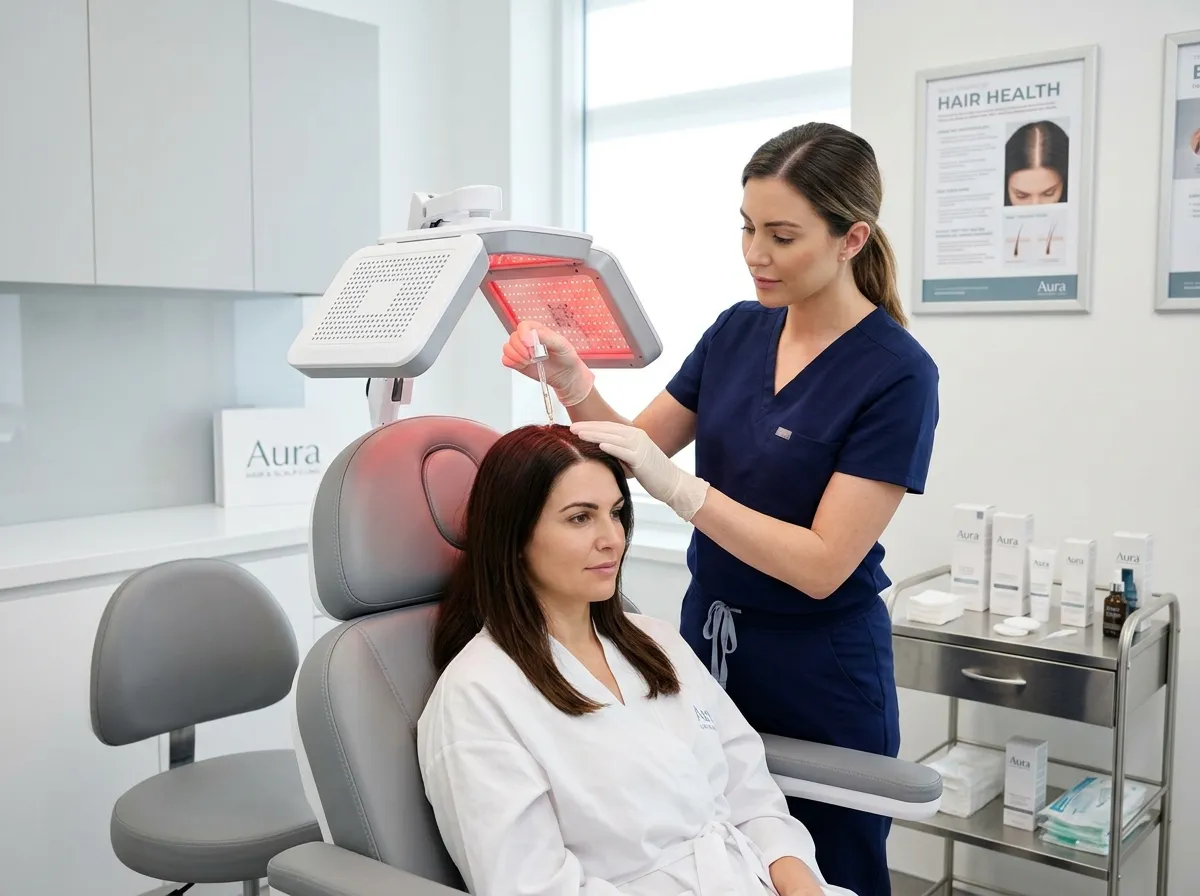
Exosome therapy is currently one of the most talked-about innovations in hair restoration. Exosomes are tiny extracellular vesicles that facilitate communication between cells. In the context of hair loss, they are used to deliver concentrated growth factors directly to the hair follicles. This process helps reduce inflammation and signals dormant follicles to re-enter the active growth phase. Clinical observations suggest that exosome treatments can lead to visible improvements in hair density within just a few months, making it a highly sought-after option for those experiencing early to moderate thinning.
Stem Cell Treatments for Follicle Regeneration
Stem cell therapy represents another significant leap forward in treating hair loss. This approach utilizes the regenerative potential of stem cells to repair damaged tissues and stimulate new hair growth. By introducing stem cells into the scalp, practitioners aim to rejuvenate aging follicles and improve overall hair thickness. While still evolving, stem cell treatments are showing great promise, particularly for individuals with more advanced stages of hair thinning who are looking for long-lasting results.
Advanced Pharmaceutical Options
Alongside regenerative therapies, the pharmaceutical landscape for hair loss is also expanding. New medications are being developed to target the specific hormonal pathways responsible for follicle miniaturization. For example, topical androgen receptor blockers are gaining traction as effective treatments that minimize systemic side effects. Additionally, customized compounded medications that combine multiple active ingredients are becoming increasingly popular. These tailored solutions allow practitioners to address the unique needs of each patient, optimizing the chances of successful regrowth.
Integrating Treatments with Professional Salon Care
While medical treatments address the biological aspects of hair loss, professional salon care plays a crucial role in maintaining the aesthetic quality of your hair. Working with a skilled stylist can help you manage thinning hair more effectively. They can recommend haircuts and styling techniques that create the illusion of volume and fullness. Furthermore, professional color services can add dimension to your hair, making it appear thicker.
It is important to communicate openly with your stylist about your hair loss concerns. They can guide you toward gentle, strengthening products and advise against treatments that might cause further damage. For instance, learning how to choose the perfect hair color can enhance your overall look without compromising the health of your fragile strands. A collaborative approach between your medical provider and your salon professional ensures that your hair receives comprehensive care from all angles.
Embracing the Future of Hair Health
The journey to overcoming hair loss is deeply personal, but you no longer have to navigate it alone or rely on outdated methods. The innovations of 2026 provide a robust toolkit for both prevention and restoration. By understanding the underlying causes of your hair thinning and exploring the latest regenerative therapies, you can take proactive steps toward reclaiming your hair’s vitality. Whether you opt for exosome therapy, advanced pharmaceuticals, or simply revamp your nutritional and scalp care routines, the future of hair health is bright and full of possibilities.
If you are concerned about hair loss, consider scheduling a consultation with a specialist to discuss which modern treatments might be right for you. In the meantime, focus on nurturing your scalp and adopting habits that support strong, resilient hair. For more insights on maintaining the health and beauty of your hair, explore the resources available from trusted organizations like the American Academy of Dermatology, which offers comprehensive information on managing various hair conditions.