
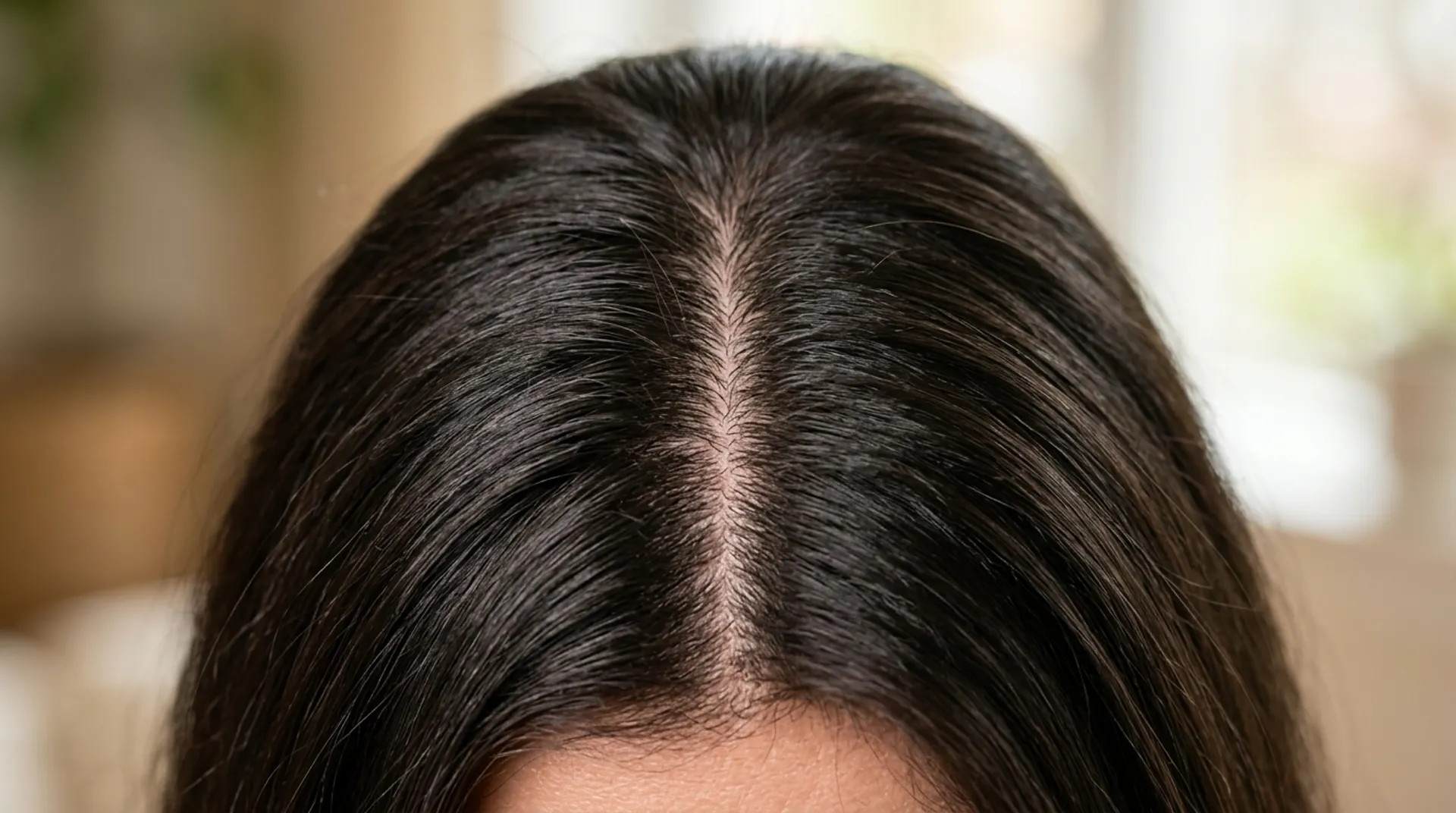
The beauty world is buzzing with a new term that’s shifting the focus from our strands to our roots — the scalp microbiome. You’ve likely heard about the gut microbiome and its critical role in your overall health. Well, your scalp has its own unique and complex ecosystem of microorganisms, and keeping it in balance is the new frontier in achieving the healthy, vibrant hair you’ve always wanted. This isn’t just another trend; it’s a science-backed approach to hair care that addresses problems like dandruff, irritation, and even hair thinning at their source.
Forget the harsh scrubs and stripping shampoos of the past. The future of hair care is about nurturing the delicate balance of bacteria and fungi living on your scalp. By understanding and supporting this ecosystem, you can unlock the secret to a healthier scalp and, in turn, more resilient and beautiful hair. Let’s dive into what the scalp microbiome is and why it’s the key to unlocking your hair’s true potential.
What Exactly Is the Scalp Microbiome?
Think of your scalp as a bustling city populated by billions of microscopic residents, including bacteria, fungi, and yeasts. This community is your scalp microbiome. Just like in your gut, there’s a mix of good and potentially bad microorganisms. In a healthy scalp, these microbes live in harmony, creating a balanced environment. According to research published by Constantinou et al. (2021 ), these microbial communities play a vital role in regulating immune responses and protecting the skin barrier.
The two most famous residents of your scalp are the fungus Malassezia and the bacterium Cutibacterium acnes. While they are a normal part of the ecosystem, an overgrowth of these microbes can lead to common scalp issues. A balanced scalp microbiome keeps these populations in check, regulates oil production, and maintains a slightly acidic pH — which is essential for preventing scalp problems and promoting optimal hair health.
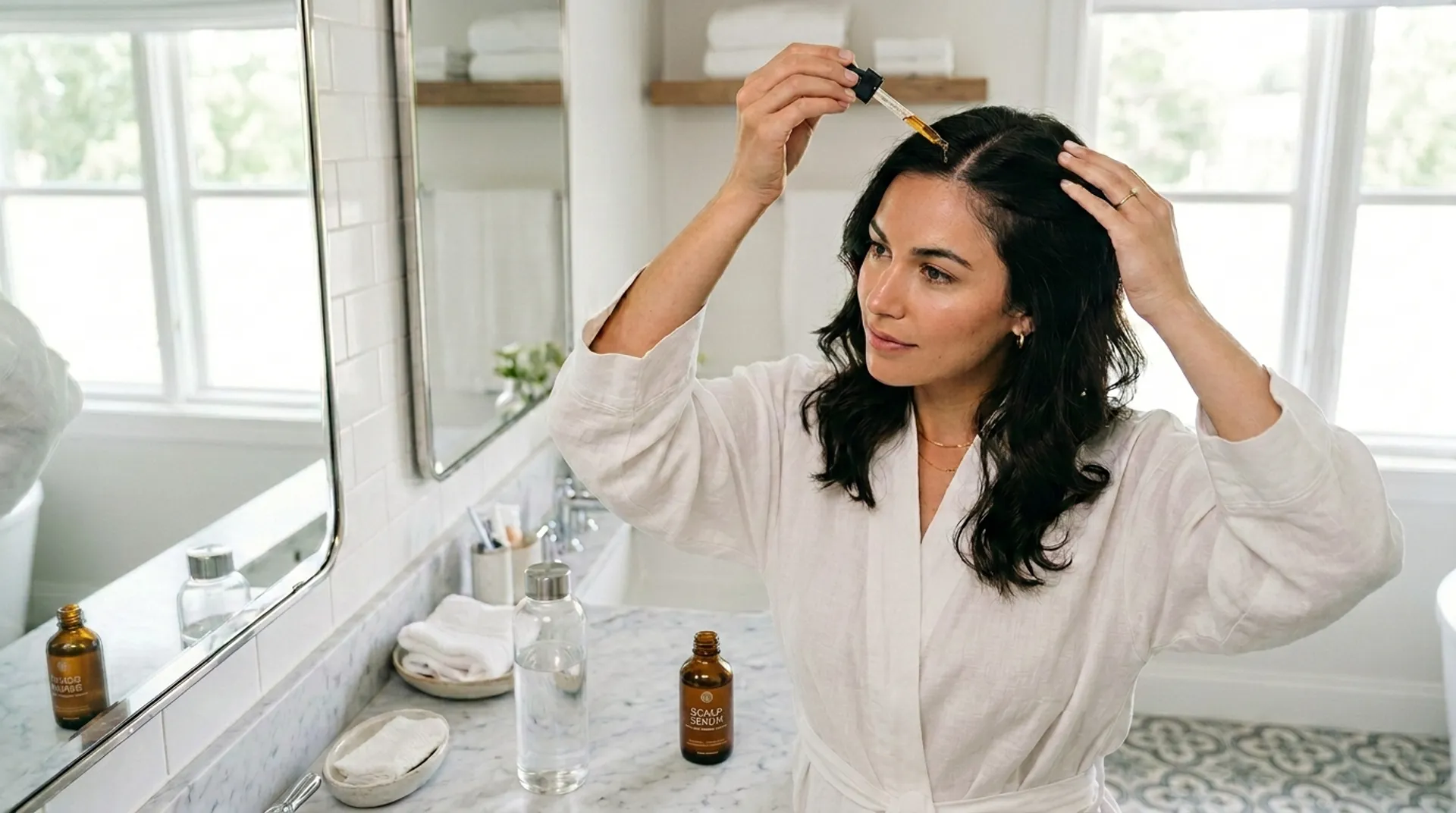
The Telltale Signs of an Unbalanced Scalp
How do you know if your scalp microbiome is out of sync? Your scalp will often send clear signals that something is amiss. An imbalance, also known as dysbiosis, can weaken your scalp’s natural defenses, leading to a host of frustrating issues that can affect both your comfort and your hair’s appearance.
Common Symptoms of Dysbiosis
One of the most common signs of an imbalanced scalp microbiome is persistent dandruff. This is often caused by an overgrowth of the Malassezia fungus, which feeds on scalp oils and produces oleic acid — an irritant that triggers the rapid shedding of skin cells. Other signs include an itchy or burning sensation driven by inflammation, excessive oiliness or dryness caused by disrupted sebum regulation, scalp acne from clogged hair follicles, and even hair thinning when chronic inflammation interferes with the hair growth cycle.
If you’re experiencing any of these issues, it might be time to focus on rebalancing your scalp’s delicate ecosystem. For more tips on keeping your hair healthy between appointments, check out our guide on how to maintain your hair color between salon visits.
How to Nurture Your Scalp Microbiome
Restoring balance to your scalp microbiome doesn’t require a complete overhaul of your routine. It’s about making smarter, gentler choices. The goal is to create a supportive environment where beneficial microbes can thrive, keeping the troublemakers at bay. Here are some effective strategies to get you started.
Choose the Right Products
The products you use are the foundation of a healthy scalp care routine. Many traditional shampoos contain harsh sulfates that strip the scalp of its natural oils and disrupt the microbiome. Look for gentle, sulfate-free and pH-balanced formulas. An authoritative review in the journal Skin Appendage Disorders emphasizes the importance of using products that respect the scalp’s natural state to prevent conditions like seborrheic dermatitis.
Incorporating products with prebiotics, probiotics, and postbiotics can make a significant difference. Prebiotics act as “food” for the good bacteria on your scalp, helping them flourish. Probiotic ferments in some topical formulas help soothe inflammation, while postbiotics — the beneficial byproducts of probiotics — work to strengthen the scalp’s barrier and maintain a healthy pH. Together, these ingredients form a powerful trio for long-term scalp wellness.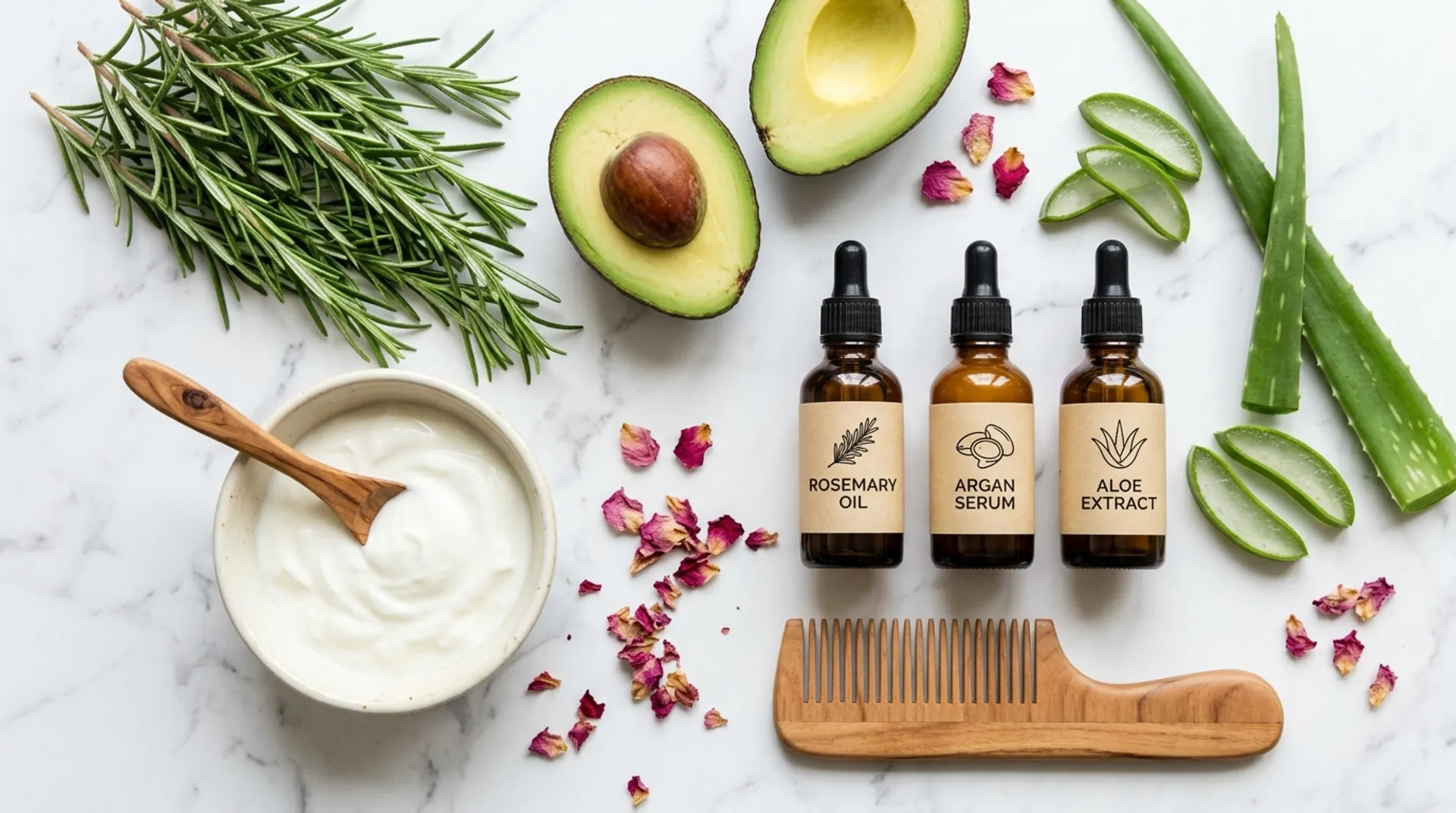
Adopt Scalp-Friendly Daily Habits
Beyond products, your daily habits play a huge role in maintaining a balanced microbiome. Avoid over-washing your hair, which can strip the scalp and trigger a cycle of oil overproduction. Instead, wash your hair only when it feels necessary and use lukewarm water, as hot water can cause dryness and irritation. When you do shampoo, be gentle — avoid aggressive scrubbing or scratching, which can damage the skin barrier. According to News Medical, factors like pollution, UV exposure, and even high stress levels can also disrupt the scalp’s microbial balance, so protecting your hair from environmental aggressors is equally important.
Support Your Scalp From the Inside Out
What you eat matters just as much as what you apply. A diet rich in fiber, fermented foods, and key nutrients like zinc and biotin supports a healthy gut-hair axis, which in turn benefits your scalp microbiome. Foods like yogurt, kefir, leafy greens, and nuts are excellent additions to a hair-healthy diet. Staying hydrated and managing stress through regular exercise or mindfulness practices can also help keep your scalp’s ecosystem in equilibrium. For more inspiration on caring for your hair from every angle, explore our full range of hair care tips.
The Future Is a Healthy Scalp
The shift toward nurturing the scalp microbiome marks a pivotal moment in the beauty industry. It’s a move away from temporary fixes and toward long-term hair and scalp wellness. By understanding that your scalp is a living ecosystem, you can make informed choices that lead to stronger, shinier, and healthier hair from the inside out. As brands continue to invest in microbiome-friendly formulations and science-backed ingredients, the tools available to support your scalp health will only get better. Embracing this approach isn’t just about following a trend — it’s about investing in the fundamental health of your hair for years to come.