
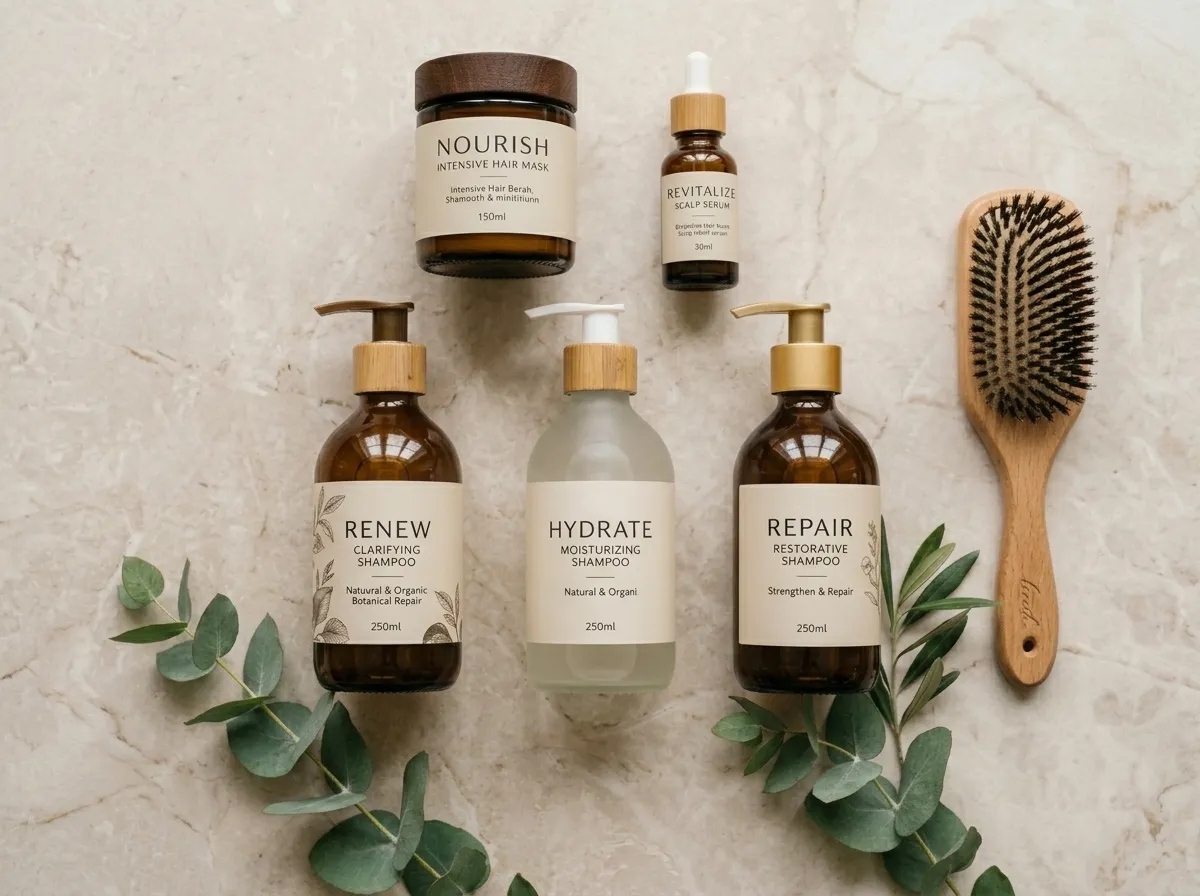
If skincare has taught us anything, it is that less is often more — and that the right product on the right day can transform your results. That same philosophy is now reshaping how we think about haircare. Welcome to hair cycling, the routine philosophy taking over 2026 and changing the way we care for our strands.
Inspired by the wildly popular skin cycling trend, hair cycling is all about rotating different types of products throughout the week to meet your hair’s changing needs. Instead of using the same shampoo and conditioner every wash day, you alternate between clarifying, hydrating, and repairing formulas to keep your scalp balanced and your hair at its healthiest. The result? Stronger, shinier, more vibrant hair without the buildup, dryness, or dullness that comes from overusing one type of product.
What Is Hair Cycling?
Hair cycling is the practice of rotating different types of haircare products — typically clarifying, hydrating, and bond-repairing — across your wash days to support the changing needs of your scalp and strands. Rather than relying on one shampoo and conditioner for every wash, you tailor each session to what your hair needs that day.
The concept borrows directly from skin cycling, a method popularized by New York-based dermatologist Dr. Whitney Bowe. Skin cycling involves rotating active ingredients on different nights to maximize benefits and minimize irritation. Hair cycling applies the same logic to your scalp and strands, recognizing that just like your skin, your hair has changing needs based on weather, hormones, styling habits, and product buildup.
Why Hair Cycling Is Trending in 2026
The “skincare-ification” of haircare has been brewing for a few years, but in 2026 it has fully arrived. Consumers are no longer satisfied with generic shampoo-and-conditioner routines. They want intentional, ingredient-aware regimens that treat the scalp as an extension of the skin. Hair cycling fits perfectly into this mindset because it is simple, customizable, and rooted in real haircare logic that stylists and dermatologists have recommended for years.
According to dermatologists interviewed by Real Simple, hair cycling is essentially a more intentional version of a personalized scalp routine — and when done right, it can lead to noticeably healthier hair over time.
The Benefits of a Hair Cycling Routine
Why bother rotating products when you could just stick with what you know? The answer lies in how your scalp and strands respond to repeated use of the same formulas. Here is what hair cycling can do for you.
Prevents Product Buildup
Even high-quality products can leave residue on your scalp and hair over time. Silicones, oils, and conditioning agents can accumulate, weighing your hair down and dulling its shine. Rotating in a clarifying shampoo regularly helps lift this buildup before it becomes a problem.
Balances Your Scalp
Your scalp is a living ecosystem with its own pH, sebum production, and microbiome. Overusing rich, moisturizing products can clog follicles, while overusing clarifying ones can strip natural oils and trigger irritation. Cycling between formulas keeps your scalp in a healthier, more balanced state.
Strengthens and Repairs Strands
Bond-repair treatments and protein masks are most effective when used strategically, not daily. Building them into a cycling routine gives your hair the benefits without overloading it, which can make strands stiff or brittle.
Saves Money in the Long Run
Hair cycling is less about buying more products and more about using what you have intentionally. By stretching out the use of specialty treatments and rotating effectively, you often end up needing less product overall.
How to Build Your Hair Cycling Routine
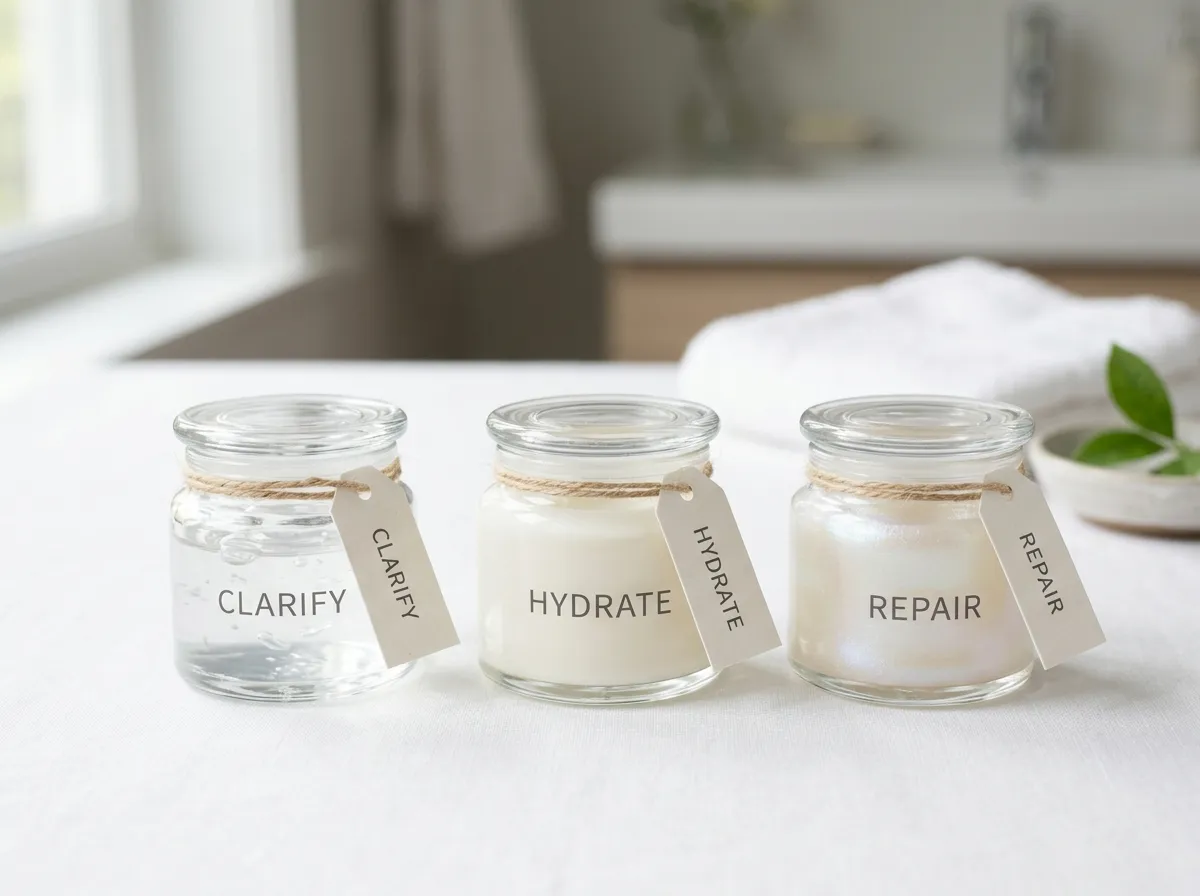
The beauty of hair cycling is that it is fully customizable. Your exact routine will depend on your hair type, texture, scalp condition, and lifestyle. That said, most experts recommend structuring your week around three core types of washes — clarifying, hydrating, and repairing — with optional rest days in between.
A Sample 7-Day Hair Cycling Routine
Here is a starter framework you can adapt to your own hair:
Day 1 – Clarify: Use a gentle clarifying shampoo to remove buildup, excess oil, and product residue. Follow with a lightweight conditioner. This is your “reset” wash.
Day 2 – Rest: No washing today. Let your scalp’s natural oils replenish. You can use a dry shampoo at the roots if needed.
Day 3 – Hydrate: Wash with a moisturizing shampoo and follow with a hydrating conditioner or deep mask. Add a leave-in conditioner for extra softness and frizz control.
Day 4 – Rest: Another no-wash day. Consider a gentle scalp massage to boost circulation.
Day 5 – Repair: Use a bond-building or protein treatment to strengthen strands. Pair with a hydrating conditioner so your hair does not feel stiff afterward.
Day 6 – Rest: Let the treatment fully absorb and your scalp settle.
Day 7 – Scalp Care: Apply a scalp serum, oil, or treatment to nourish the roots and follicles. This is your weekly scalp-focused day.
Then repeat the cycle. Over time, you will notice your hair feels more balanced, looks shinier, and responds better to styling.
Adjusting the Routine for Your Hair Type
Not all hair benefits from the same cycle. Here is how to tweak it based on your needs:
If your hair is oily or fine, lean more heavily on clarifying days and reduce the frequency of rich masks. You may need to wash more often, so add a second clarify or hydrate day in your week.
If your hair is dry or curly, prioritize hydration and minimize clarifying washes. Once a week is often enough, especially if you do not use a lot of styling products.
If your hair is color-treated or chemically processed, focus on bond-repair and hydration. Avoid overly harsh clarifying shampoos that can strip your color. For more on protecting your color between washes, check out our guide on how to maintain your hair color between salon visits.
Common Hair Cycling Mistakes to Avoid
As with any haircare routine, success depends on doing it right. Here are the most common pitfalls to watch out for.
Overdoing the Clarifying Step
A clarifying shampoo is powerful, and using it too often can strip your scalp of natural oils, leading to dryness, irritation, or rebound oiliness. Once a week is usually enough for most hair types.
Skipping Rest Days
Rest days are not optional — they are when your scalp’s natural oils rebalance and your hair recovers from styling. Washing daily defeats the purpose of cycling.
Ignoring Scalp Health
Hair cycling is just as much about your scalp as it is about your strands. A healthy scalp is the foundation of healthy hair growth, and ignoring it means your routine will only ever go so far. To learn why scalp care matters, read our post on the scalp microbiome and why it matters for your hair.
Expecting Overnight Results
Hair cycling is not a quick fix. Most people start to notice improvements after 4 to 6 weeks of consistent use. Stick with it, and trust that the small daily choices add up over time.

Is Hair Cycling Right for You?
If you have ever felt like your hair routine has plateaued — your strands feel weighed down, your scalp feels off, or your products just are not working the way they used to — hair cycling is worth trying. It is gentle, flexible, and rooted in the same principles dermatologists and stylists have championed for decades. The only difference now is that we have a name for it and a clear framework to follow.
Start small. Pick three core products — a clarifying shampoo, a hydrating shampoo or mask, and a bond-repair or scalp treatment — and build your week around them. Pay attention to how your hair responds, and adjust the cycle to fit your unique needs. Within a month or two, you may find yourself wondering how you ever did haircare any other way.
Healthy, balanced, beautiful hair is not about owning more products. It is about using the right ones at the right time. And that is exactly what hair cycling is all about.