
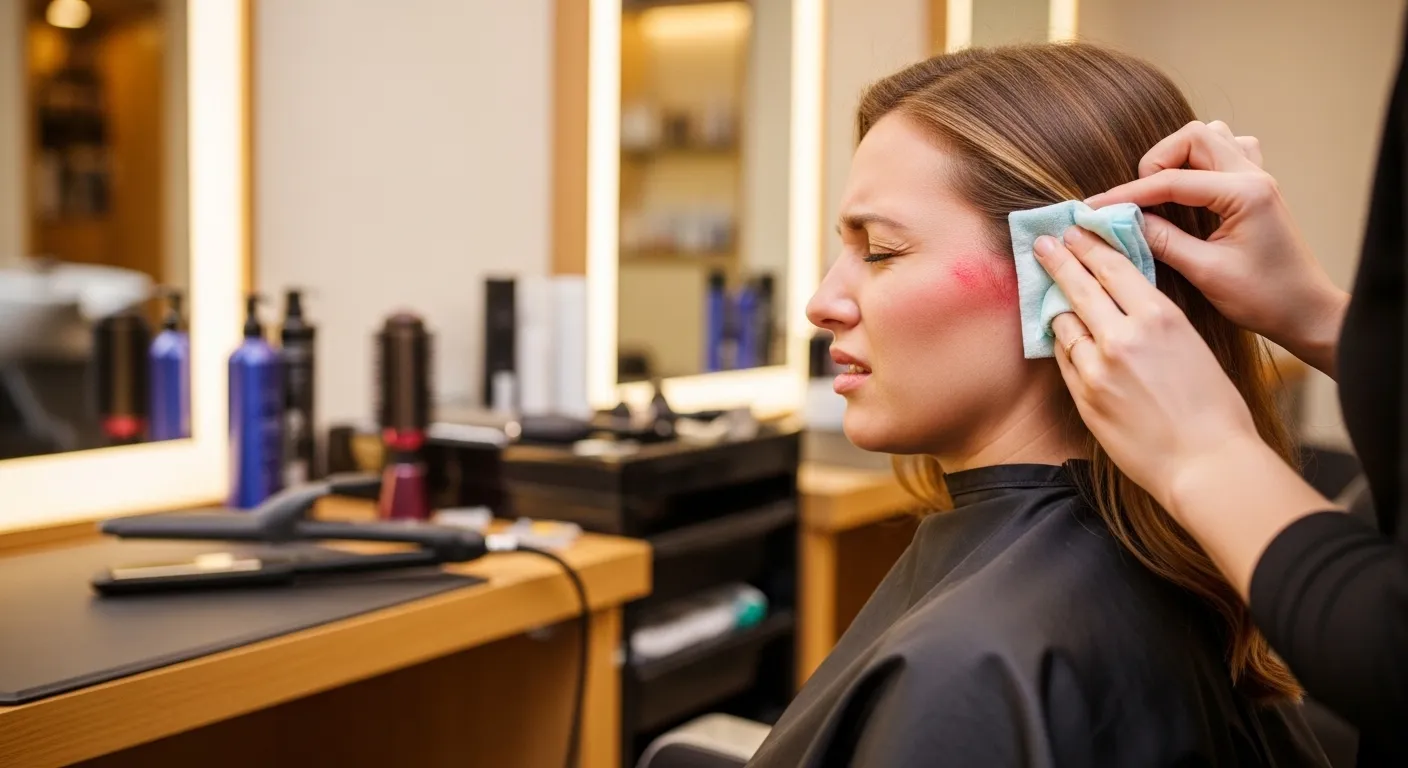
A trip to the salon should leave you feeling refreshed and confident — not nursing a painful burn. Unfortunately, burns are one of the most common injuries that happen during professional beauty treatments. From flat irons and curling wands to chemical relaxers and hot wax, there are several ways your skin or scalp can be damaged during a routine appointment. The good news is that most salon burns are entirely preventable, and knowing what to do if one occurs can make all the difference in how quickly you heal.
Whether you are a regular salon-goer or someone preparing for your first professional treatment, understanding the risks and knowing your rights can help you stay safe in the chair.
Common Types of Burns That Happen in Salons
Not all salon burns are the same. They can range from mild redness to serious blistering, depending on the cause and the duration of exposure. Here are the most frequent types of burns clients experience during beauty treatments.
Heat Burns From Styling Tools
Flat irons, curling irons, and blow dryers are the leading causes of heat-related burns in salons. These tools operate at extremely high temperatures — often between 300°F and 450°F — and even a brief moment of contact with the skin can cause a painful first-degree or second-degree burn. Common areas affected include the ears, forehead, neck, and fingers. Stylists who rush through appointments or use tools without adequate heat protection are more likely to accidentally burn their clients.
Chemical Burns From Hair Treatments
Chemical burns occur when harsh salon products are left on the skin or scalp for too long or are applied incorrectly. Relaxers, perms, bleach, and certain hair color formulas contain strong alkaline or acidic ingredients that can irritate or damage the skin. Symptoms include redness, swelling, a stinging or burning sensation, and in severe cases, open sores or scabbing on the scalp. The Occupational Safety and Health Administration (OSHA) has documented numerous cases of salons failing to follow proper safety guidelines when handling chemical products such as those containing formaldehyde.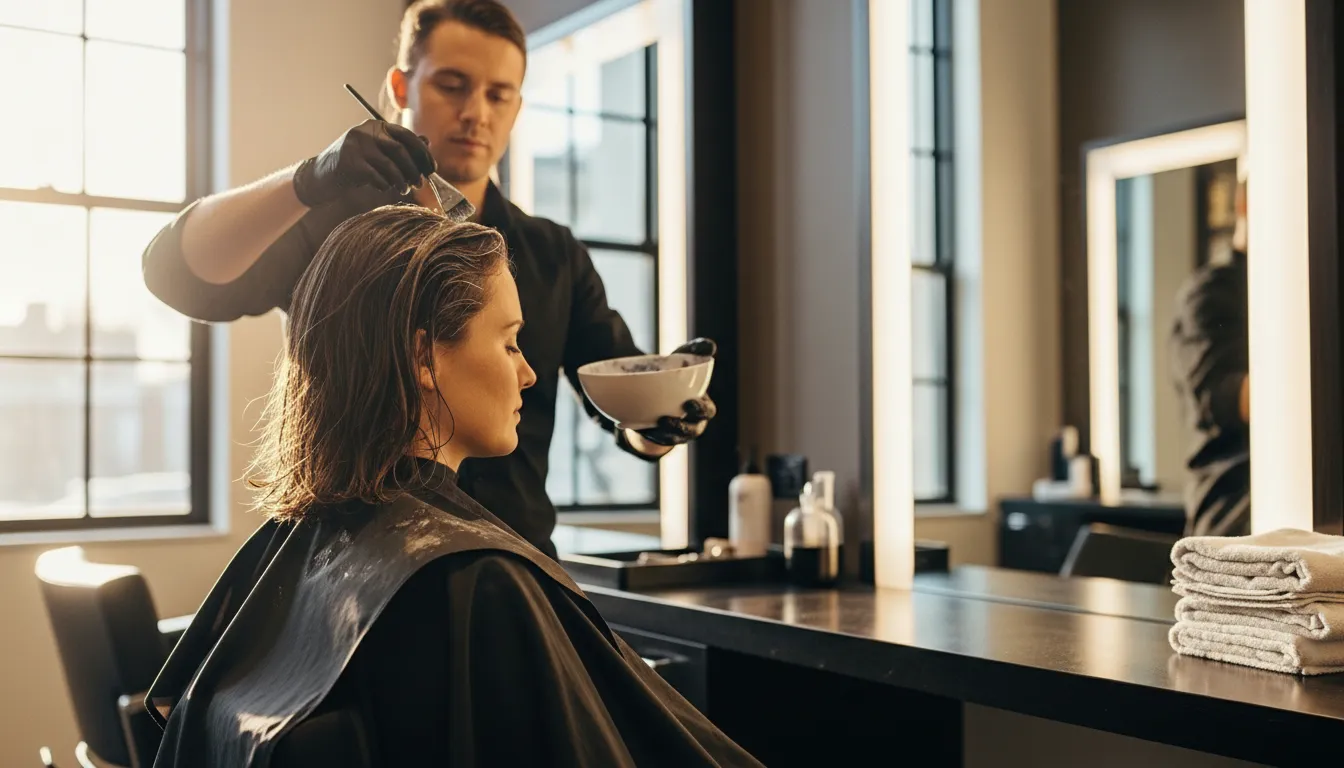
Wax Burns
Hot wax used for facial, eyebrow, and body hair removal can also cause burns if the wax is overheated or applied carelessly. Wax burns typically present as red, tender patches of skin and may blister in more serious cases. The delicate skin around the eyebrows, upper lip, and bikini area is especially vulnerable to this type of injury.
How to Prevent Burns During Your Salon Visit
Prevention starts with awareness. While your stylist plays the biggest role in keeping you safe, there are steps you can take as a client to reduce the risk of burns during any salon service.
Choose a Reputable Salon
One of the most effective ways to avoid burns is to visit a licensed, well-reviewed salon with trained professionals. Look for salons that display their licensing and certifications publicly. Reading online reviews can also reveal whether past clients have experienced any safety issues. A salon that prioritizes proper hair care practices is more likely to handle tools and products responsibly.
Communicate With Your Stylist
Always let your stylist know if you have sensitive skin, allergies, or have had bad reactions to products in the past. Good communication can help your stylist adjust the heat settings on tools or choose gentler formulas for chemical treatments. Do not hesitate to speak up during the appointment if something feels too hot or uncomfortable — early intervention can prevent a minor issue from becoming a serious burn.
Request a Patch Test for Chemical Services
Before undergoing any chemical treatment, such as coloring, bleaching, or relaxing, ask for a patch test at least 24 to 48 hours in advance. A patch test involves applying a small amount of the product to a discreet area of skin to check for adverse reactions. This simple step can help you avoid painful chemical burns and allergic responses. The Mayo Clinic recommends being proactive about skin protection to reduce the severity of potential burns.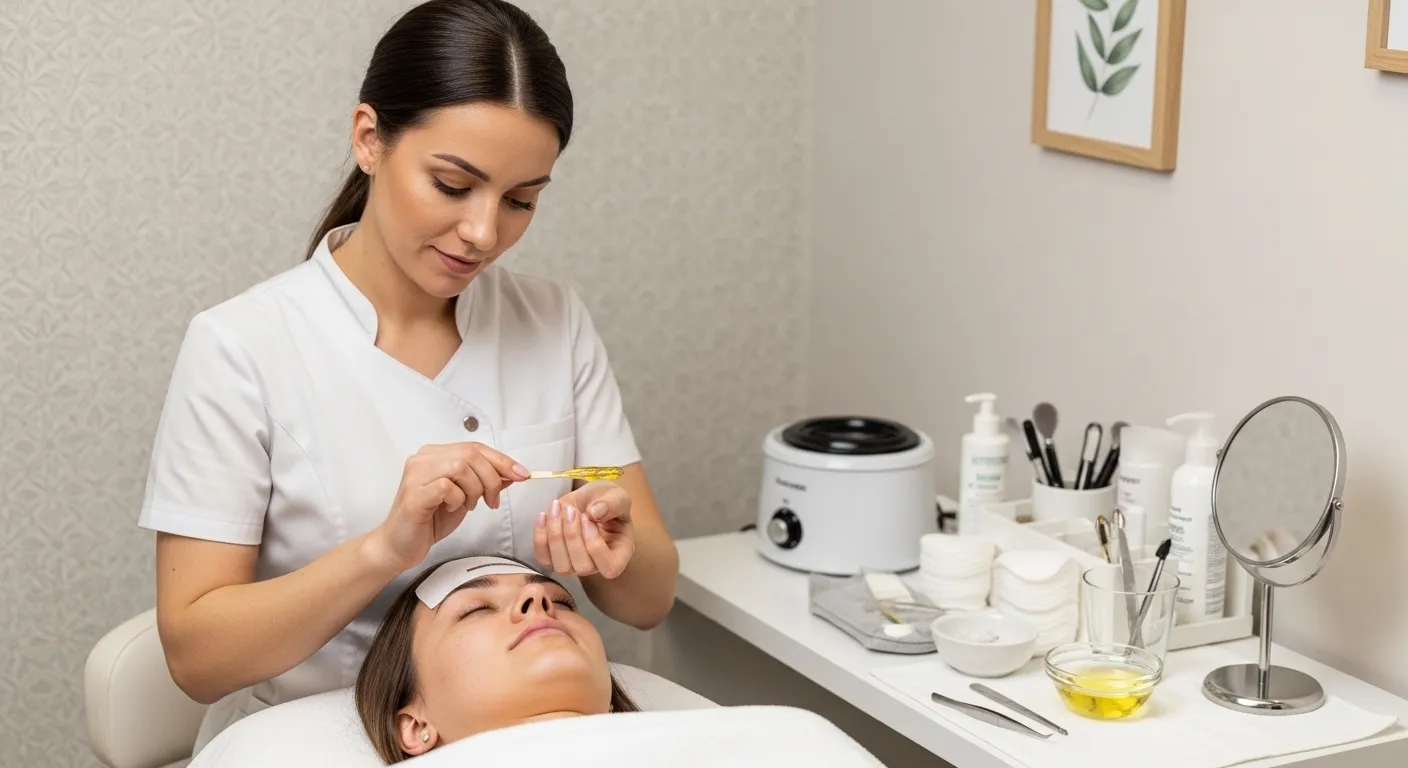
Watch the Temperature
If you notice your stylist grabbing a flat iron or curling wand without checking the temperature, politely ask what heat setting they plan to use. For fine or color-treated hair, lower temperatures are generally recommended. When it comes to wax treatments, a skilled esthetician will always test the wax temperature on their own wrist before applying it to your skin.
What to Do If You Get Burned at a Salon
Even with the best precautions, accidents can still happen. Knowing how to respond immediately can minimize damage and promote faster healing.
Immediate First Aid Steps
If you experience a burn during your salon visit, the first thing to do is cool the affected area. Run cool — not cold — water over the burn for about 10 minutes to help reduce pain and swelling. Avoid applying ice directly, as extreme cold can further damage the skin. After cooling, gently pat the area dry and apply a soothing lotion containing aloe vera or a similar moisturizing agent. Cover the burn loosely with a clean, non-stick bandage to protect it from friction and bacteria. Over-the-counter pain relievers such as ibuprofen can help manage discomfort and reduce inflammation.
When to See a Doctor
Most minor salon burns — those that cause redness and mild pain without blistering — can be treated at home. However, you should see a doctor if the burn covers a large area, produces significant blisters, appears white or charred, or is located on the face, hands, or any major joint. Chemical burns that continue to sting even after rinsing should also be evaluated by a medical professional. According to the Healthline guide on burn first aid, second-degree and third-degree burns always warrant professional medical attention.
Document the Incident
If you have been burned at a salon, it is important to document the injury. Take clear photographs of the burn immediately and in the days that follow as it heals. Keep records of the treatment you received, any medical expenses incurred, and any communication with the salon. This documentation can be valuable if the salon was negligent and you need to pursue a formal complaint or legal action. If you believe the burn was caused by the salon’s carelessness or failure to follow proper safety procedures, you might have a case for compensation.
Long-Term Care for Salon Burns
The healing process for a salon burn depends on its severity. First-degree burns typically heal within a week or two with proper care, while more serious burns can take several weeks and may leave scars.
During the healing period, keep the burn clean and moisturized. Avoid picking at any blisters or scabs, as this can lead to infection and increase scarring. Protect the healing skin from sun exposure by covering it or using a broad-spectrum sunscreen once the wound has closed. If you are recovering from a scalp burn, switch to gentle, sulfate-free shampoos and avoid heat styling until the area has fully healed. Following expert hair care tips during recovery can help prevent further irritation.
Know Your Rights as a Salon Client
Salons are required to follow safety standards and use products according to manufacturer guidelines. When they fail to do so, and a client is injured, the salon may be held responsible. State cosmetology boards regulate salon operations, and clients have the right to file complaints when safety standards are not met.
If you experience a burn due to a stylist’s error — such as using a product past its recommended processing time, applying tools at dangerously high temperatures, or failing to perform a patch test — you are entitled to seek accountability. Keep in mind that a professional stylist should always prioritize your safety over speed or convenience.
Understanding your options after a salon injury empowers you to take the right steps. Whether it is filing a complaint with a licensing board, seeking a refund, or consulting a legal professional, you deserve to be treated fairly after being harmed during what should be a routine beauty service.
Final Thoughts
Salon burns are more common than most people realize, but they do not have to be an inevitable part of the beauty experience. By choosing reputable salons, communicating openly with your stylist, and knowing the basics of burn first aid, you can significantly reduce your risk. If a burn does occur, acting quickly and documenting the injury will help ensure proper healing and protect your right to seek recourse. Your safety should always come first — before any hairstyle, color treatment, or waxing appointment.