
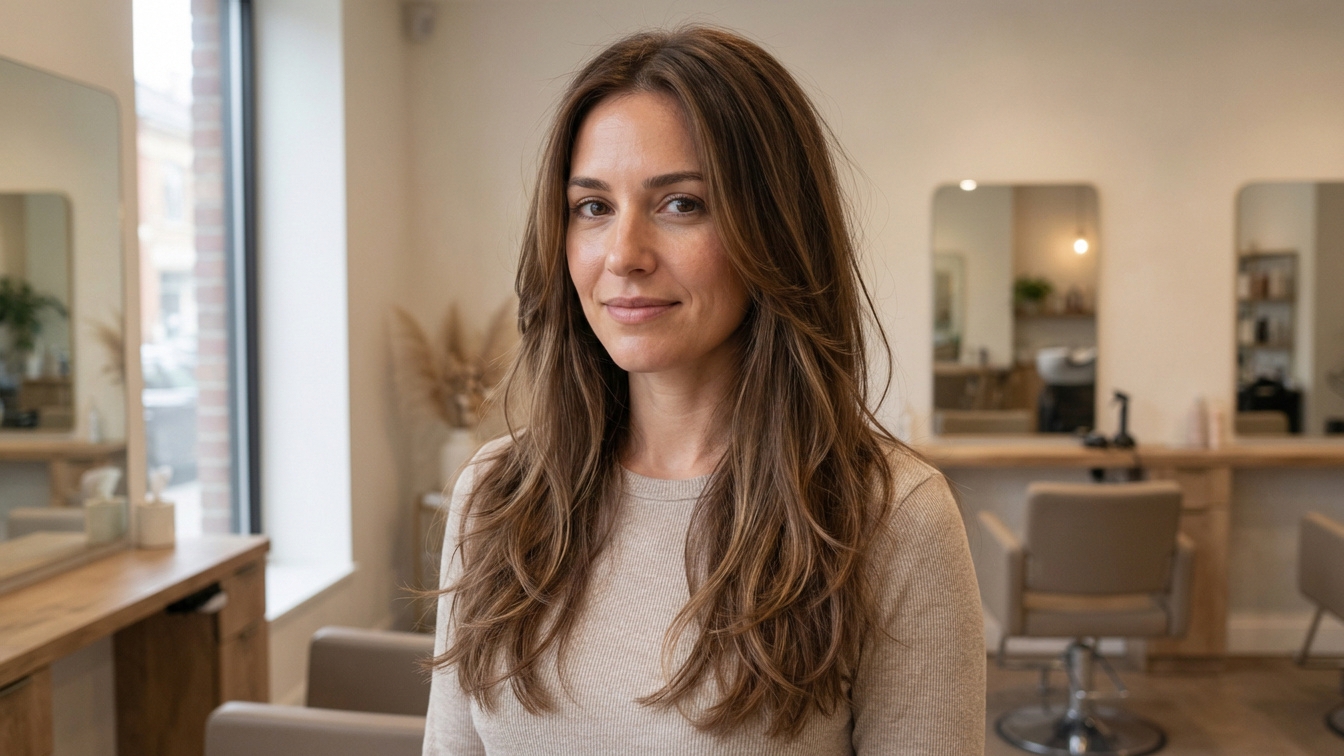
Long layered haircuts can refresh a flat or heavy shape without requiring a dramatic chop. By adjusting selected sections inside the haircut, a stylist can introduce movement while preserving the overall length. The important distinction is that your longest outline can stay, but the pieces forming the layers will become shorter.
This softer approach fits the current direction of hair trends. InStyle’s fall hair-trend coverage highlights blended long layers, face framing, and movement without heavily disconnected ends. If that sounds appealing, the best starting point is a clear consultation about length, density, and how you actually wear your hair.
What Long Layered Haircuts Actually Change
Keep the Outline, Adjust the Shape
The perimeter is the outer outline formed by the longest ends. Layers are shorter sections that change how hair sits above that outline. Keeping the perimeter substantial while shaping selected areas can create a softer silhouette without turning long hair into a shag or shoulder-length cut.
However, preserving length does not mean every strand remains untouched. Damaged or very sparse ends may need trimming, and your stylist should explain that before cutting. Agree on the longest finished length and the shortest acceptable layer rather than simply asking for “a little shape.”
Understand Internal and Face-Framing Layers
Internal or invisible layers shape selected areas within the haircut so the transitions look subtle rather than stepped. Glamour’s expert guide to layered haircuts describes this approach as adding shape and movement without necessarily changing the overall length. Salon terminology varies, so explain the result you want instead of relying on a name alone.
Face-framing layers work around the front. Their starting point might be the cheekbone, chin, or collarbone, depending on your preference and texture. They are optional: you can request subtle internal movement without short pieces around your face.
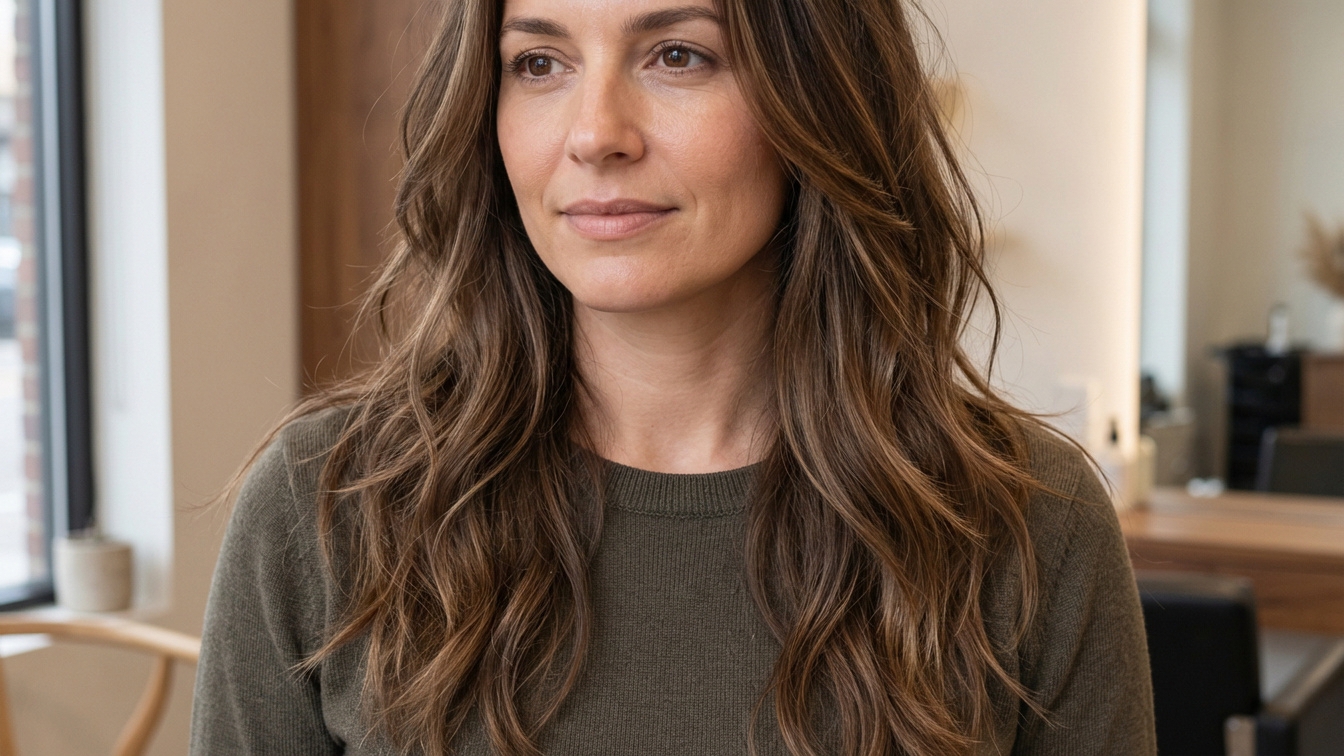
Choose Layers for Your Density and Texture
Fine or Lower-Density Hair
Fine describes individual strand thickness; density describes how much hair you have. You can have fine strands with high density, so those terms should not automatically lead to the same haircut. Ask your stylist to assess both before deciding how much hair to remove.
When ends already look sparse, fewer, longer layers may preserve a fuller outline better than many short sections. Layers can change visible volume, but they cannot increase the number or thickness of your strands. If fullness matters most, say that explicitly.
Dense or Heavy Hair
For dense hair that feels bulky, controlled internal shaping may help it move more freely. Removing weight is not the same as shortening the entire haircut. Still, more texturizing is not always better: excessive removal can leave an uneven silhouette or ends that separate too much. Request gradual changes and reassess before going further.
Wavy, Curly, or Coily Hair
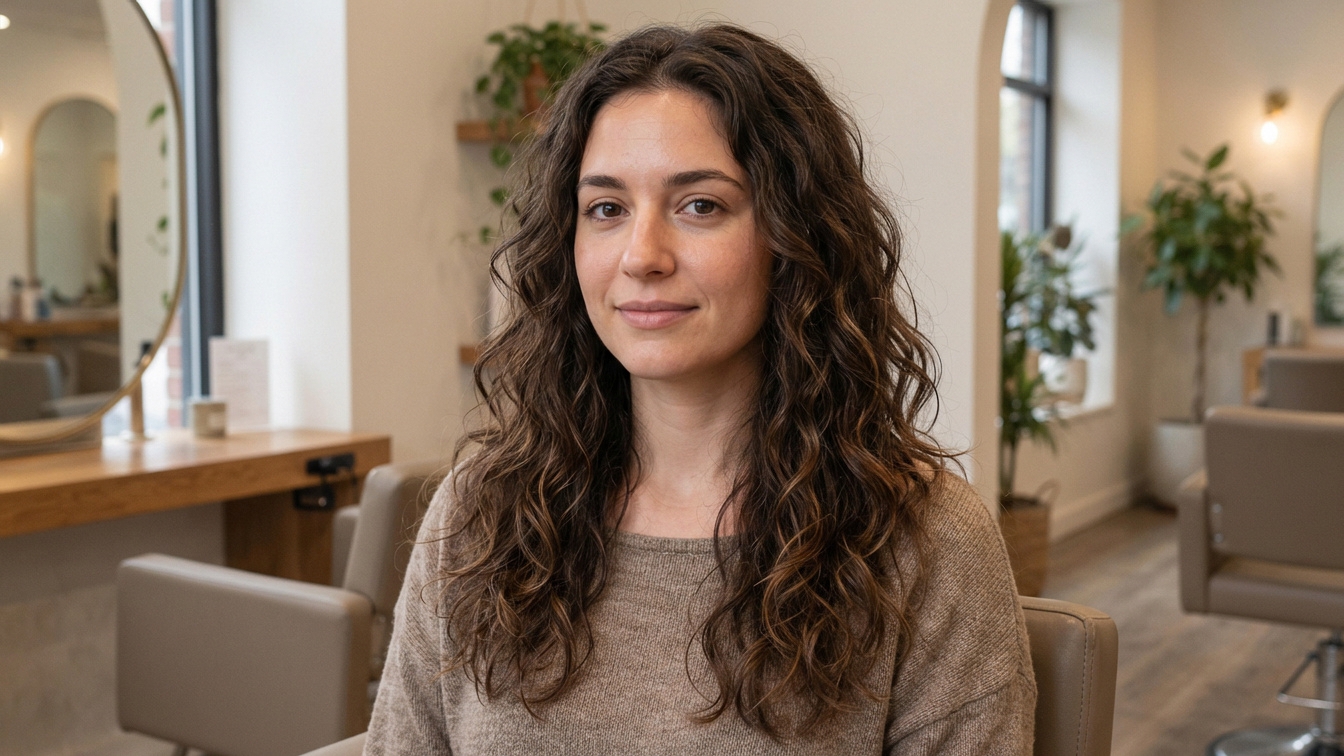
Natural texture changes where layers appear once dry. Discuss shrinkage, different curl patterns around the head, and whether you also wear your hair straight. A stylist experienced with your texture can choose a dry, wet, or combined approach based on those needs. There is no single cutting method that works best for everyone.
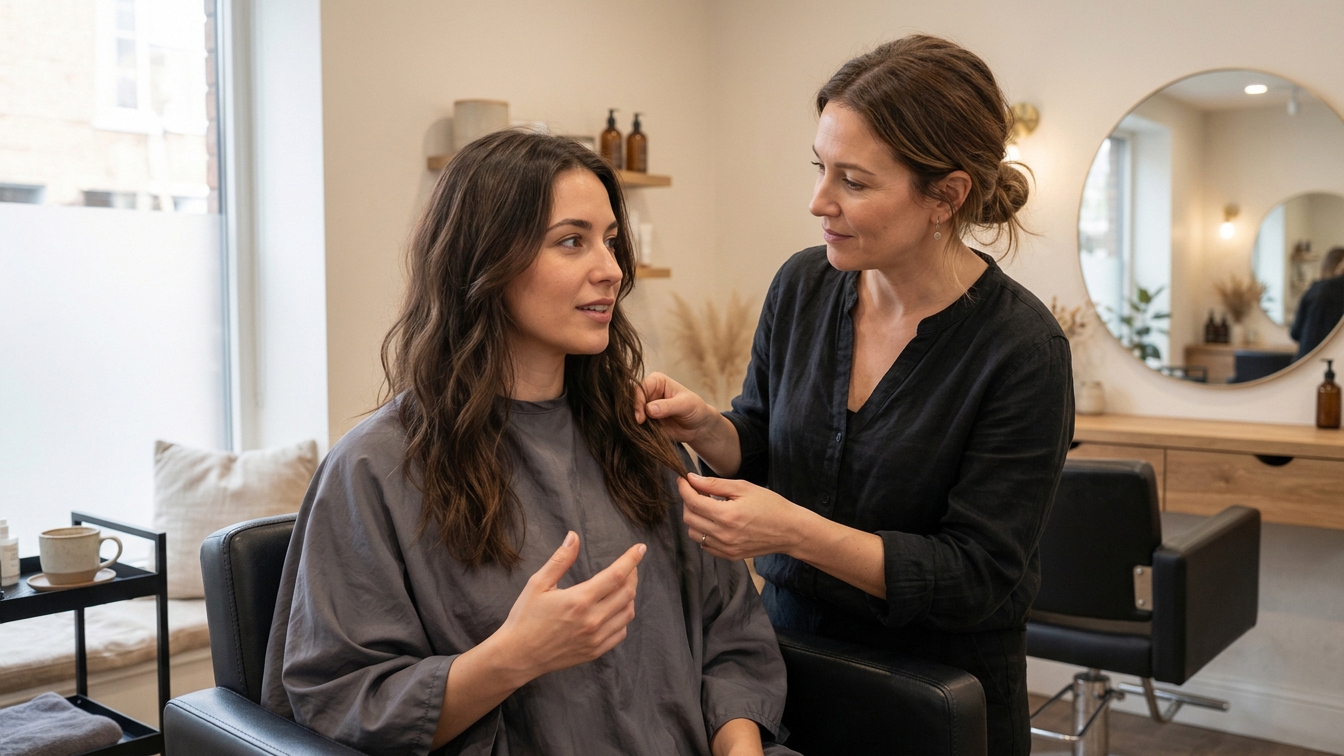
What to Ask Your Stylist Before the Cut
Bring References That Match Your Starting Point
Choose two or three photos showing similar length, density, and texture. Include a picture of your hair worn normally. A heavily styled reference can hide how short the layers are or how much daily work the finished look needs.
Explain what you like in each image: soft front pieces, movement through the middle, or a substantial line at the ends. Mention anything you dislike too, such as a pointed back, short crown layers, or a wispy finish.
Set Length and Lifestyle Boundaries
Try this consultation brief: “I want long, blended layers while keeping my overall length and fuller-looking ends. Please show me where the shortest pieces will sit before cutting. I want movement, not a disconnected shag.”
Then ask:
- How much perimeter length needs trimming?
- Where will the first front and internal layers begin?
- Will the shorter pieces still reach my usual ponytail?
- How will the shape look when I air-dry?
- What styling and upkeep will it realistically need?
If you wear your hair tied back for work or exercise, keeping front pieces long enough to secure may matter more than copying a cheekbone-length reference. Explain your routine before the scissors start.
Decide About Fringe Separately
You do not need bangs to wear long layers. A fringe is another decision with its own styling and maintenance. If you want a light forehead frame, our Cloud Bangs guide explains the airy fringe option. Treat it as an optional addition, not a requirement for the layered shape.
Style and Maintain Your Long Layers
Choose a Finish You Can Repeat
A useful haircut should support your usual routine. For a natural finish, ask your stylist to demonstrate air-drying or diffusing with a small amount of product appropriate to your texture. For a smoother look, a gentle bend through the ends can reveal the layers without curling every section.
Our C-curl blowout tutorial offers an inward-bending styling option. Remember that a blowout changes the finish, not the haircut itself. Apply heat protectant and avoid repeatedly restyling sections just to make them match an inspiration photo.
Refresh the Shape Without Recutting Everything
Ask when the stylist recommends reassessing your ends and front pieces. The interval depends on condition, growth, and how defined you like the shape. A refresh might preserve the main length while refining selected sections.
If you prefer waves without hot tools, explore our heatless curls guide for styling ideas. Keep wrapping comfortable and adapt it to your layer lengths instead of pulling shorter pieces tightly to make them reach.
Frequently Asked Questions
Do Long Layers Make Hair Thicker?
No. They can change movement and the appearance of volume, but they do not change strand thickness or density. Too many layers can make sparse ends look thinner.
Can I Keep My Current Length?
Often, the longest outline can be preserved. The layered sections will still shorten, and damaged ends may need trimming. Agree on those limits during the consultation.
Do I Need to Style Layers Every Day?
Not necessarily. Maintenance depends on the cut and texture. Ask to see how the shape behaves with your normal drying method, not only a salon blowout.
Long layered haircuts work best when the changes are intentional. Protect the perimeter where possible, choose the shortest pieces carefully, and match the shape to your routine. A thoughtful consultation can give your hair movement without making a dramatic length change the price of a refresh.