
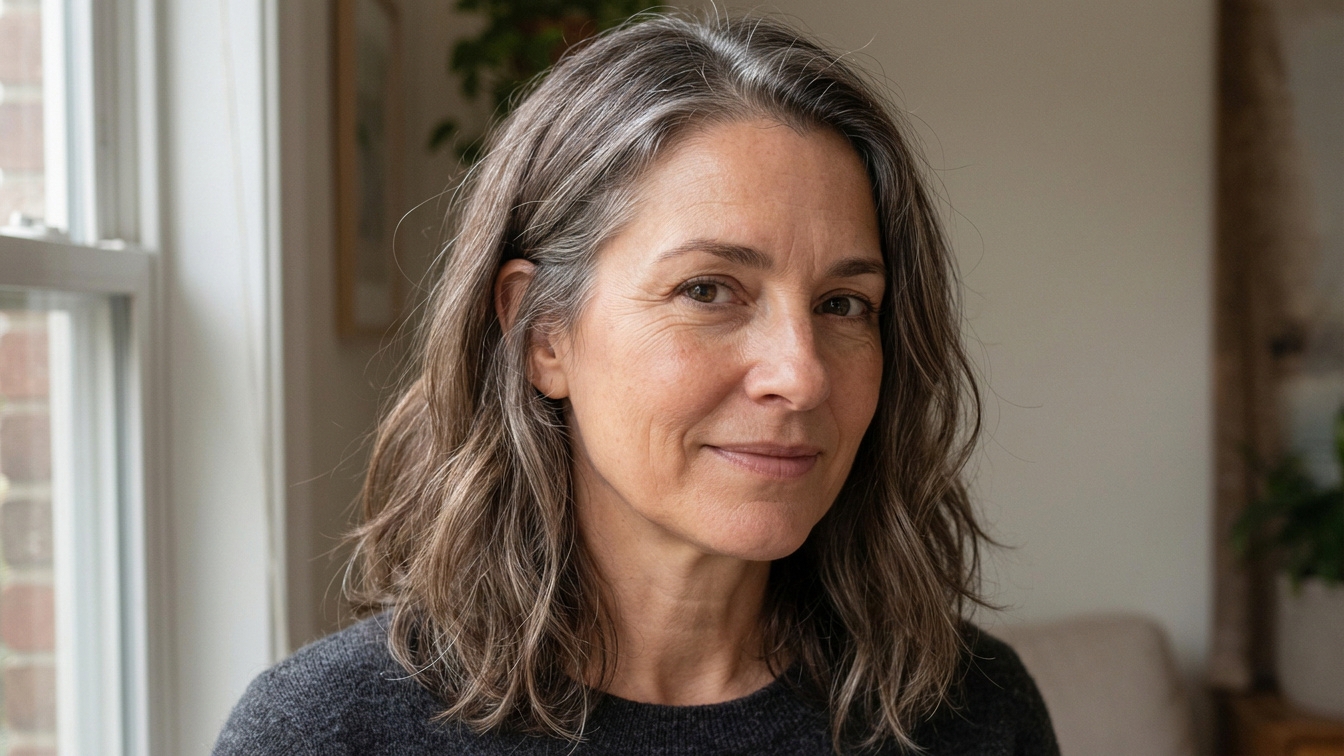
Gray blending for growing out dyed hair offers a middle ground between covering every silver strand and stopping color overnight. A colorist uses carefully placed lighter and darker pieces to soften the contrast between natural roots and previously colored lengths. The goal is a more gradual transition, not an instant head of silver hair.
The approach is getting renewed attention through the quiet-silver trend. Allure’s recent quiet-silver coverage highlights gray ribbons interwoven with brunette hair rather than hidden beneath uniform color. If you want that softer grow-out, begin with a consultation and a realistic plan for your existing dye.
What Gray Blending Does
Blending Is Different From Full Coverage
Full coverage usually aims to make gray roots match the colored lengths. Gray blending allows some natural silver to remain visible while adding dimension around it. Highlights can connect brighter areas; lowlights can preserve depth where the hair is darker. Placement follows your gray pattern rather than treating every section identically.
This is also different from color melting hair color, which describes a smooth transition between shades. Gray blending has a specific purpose: incorporating incoming grays while moving away from solid coverage. A stylist may use several techniques to achieve that goal.
You Do Not Have to Become Completely Silver
You can keep a brunette base, show more gray around the face, or gradually move toward your natural color. There is no required percentage of gray before starting. What matters is whether the result and maintenance suit your preferences.
Prepare for Your Salon Consultation
Show Your Roots and Share Your Color History
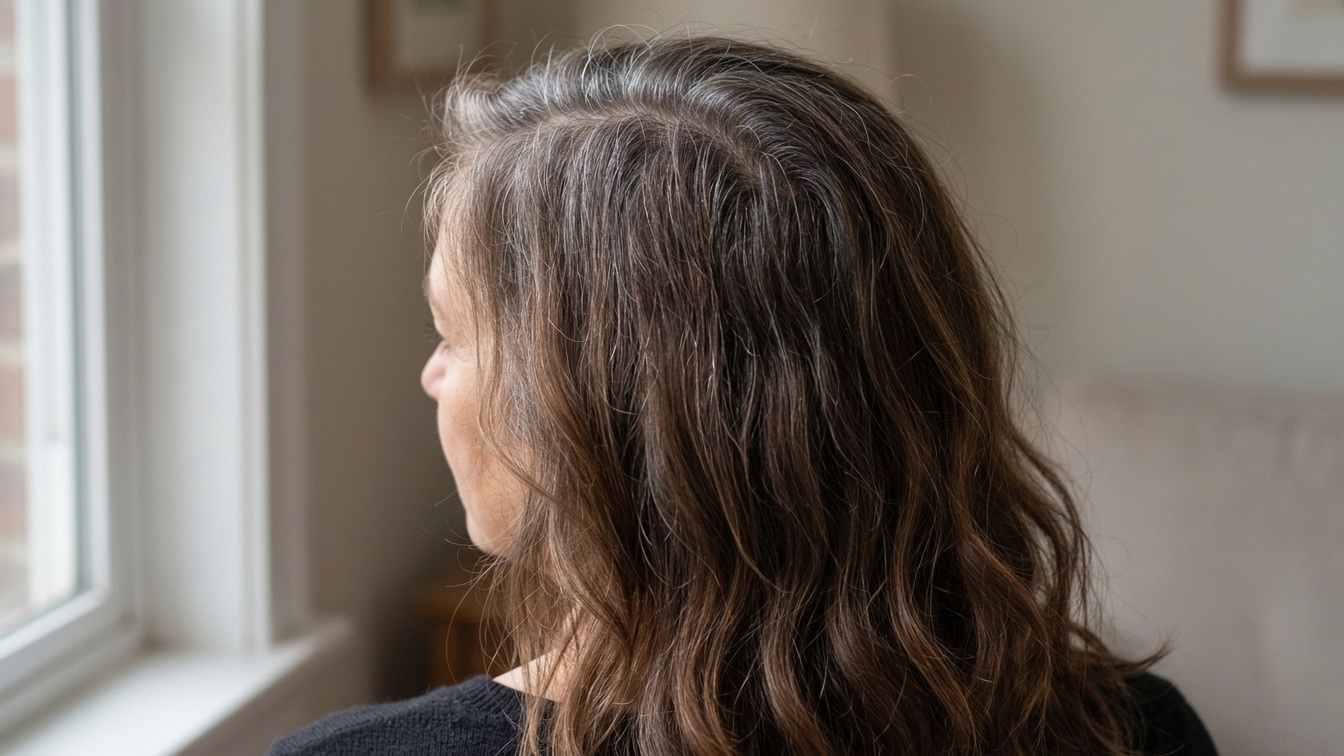
Choose a colorist whose recent work includes transitions from starting shades similar to yours. Look for photos showing roots and lengths, not only a polished final blowout. A dark, repeatedly colored base needs a different plan from lightly highlighted hair.
Ask whether the stylist wants visible regrowth before your appointment. Seeing your natural gray distribution helps them plan placement. Avoid covering the roots immediately beforehand unless they advise it. Bring reference photos with similar texture and length, plus pictures of your hair in natural light.
Disclose permanent dye, bleach, glosses, henna, chemical straightening, and home-color applications. Include previous reactions and any breakage. Old pigment may lift unevenly, and fragile hair may need a slower approach. Ask about strand testing and any allergy testing required by the products being used.
Agree on the Goal Before Choosing a Service
Try this brief: “I want to soften the line between my natural gray roots and dyed lengths. I would like to keep some depth, avoid a dramatic all-over silver change, and understand the transition before we start.”
Then ask:
- What can the first color appointment realistically achieve?
- Will my existing dye need correction or lightening?
- Can we preserve darker areas rather than lighten everything?
- What will each stage cost, including glosses and trims?
- Which appointments are for blending, and which are for upkeep?
Discuss texture and everyday styling too. A blend should work when you wear your hair normally, not just after a salon finish.
What to Expect During the Transition
Expect Several Decisions, Not One Universal Formula
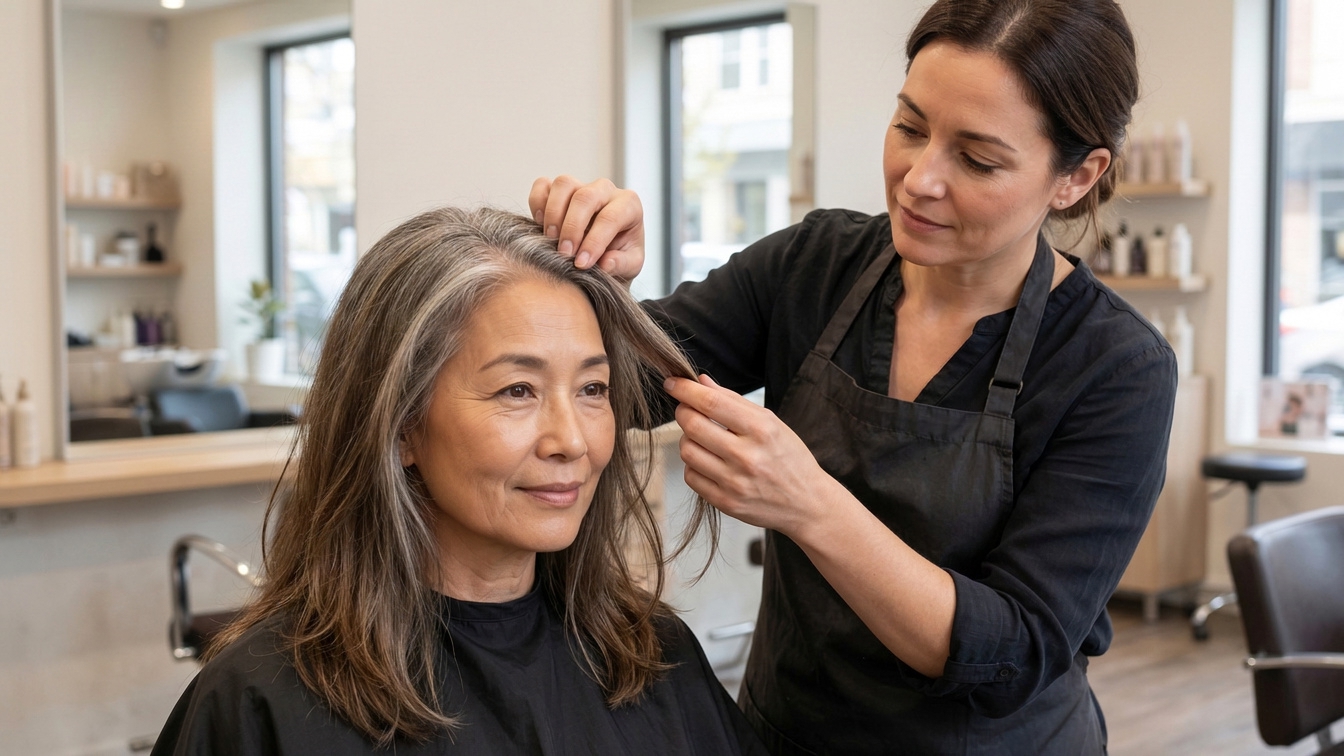
A first blending service might combine fine highlights, selected lowlights, and a gloss. The balance depends on your natural base, where gray is concentrated, and the condition of the colored lengths. Some clients need brighter connecting pieces; others benefit more from retaining depth.
For technique terminology, our balayage versus highlights guide explains different placement methods. Neither method automatically creates the right gray blend. The colorist should choose placement for your pattern and goal, rather than simply apply a familiar service.
Use Appointment Examples as Guides, Not Deadlines
In Prevention’s gray-transition interview, specialist Farah Hurdle describes three appointments spaced about eight to ten weeks apart. Her first visit is a consultation, with color beginning at the next appointment after regrowth becomes visible. She describes later upkeep intervals of three to six months once the blend is established.
That is one specialist’s approach, not a universal schedule. Your process may take longer or use different intervals. Blending changes the appearance of existing hair; it does not accelerate growth or remove every inch of old dye. Long, dark, repeatedly colored hair may need a more gradual transition than a shorter, lighter base.
Protect Condition Before Chasing Brightness
Lightening previously dyed hair still carries a risk of dryness and breakage. A professional may recommend less lift, conditioning, or trims instead of forcing a pale result. If hair becomes unusually stretchy, gummy, or prone to snapping, pause further processing and seek an assessment. Do not try to speed things up with home bleach or color removers.
Maintain Your Blend Between Visits
Keep Cleansing and Conditioning Appropriate
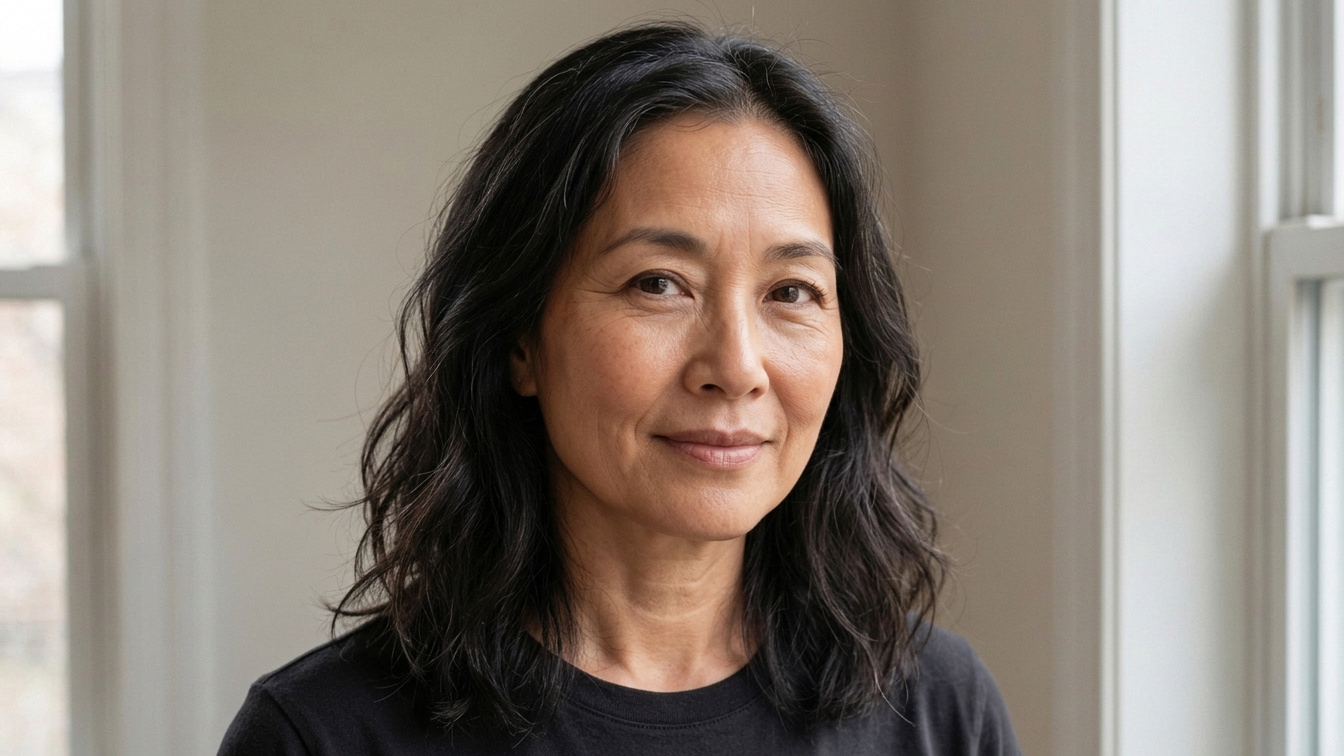
Use shampoo and conditioner suited to your scalp, texture, and remaining color-treated lengths. Wash as often as your scalp needs rather than following a universal calendar. Detangle gently, condition areas that feel dry, and use heat protectant when styling. Reducing repeated high heat helps limit further stress on processed strands.
Our guide to maintaining hair color between salon visits provides broader aftercare ideas. For a gray transition, ask which steps suit both natural roots and lightened lengths instead of treating the whole head identically.
Tone Only When Your Colorist Recommends It
Purple shampoo can reduce unwanted yellow tones, but it does not create gray blending or erase the grow-out line. Follow the product directions and your colorist’s advice. Too much pigment can leave lightened sections dull or violet. If warmth returns, ask whether you need a gloss refresh rather than automatically adding more toning shampoo.
Frequently Asked Questions
Can I Keep Some Brown Hair?
Yes. Gray blending can preserve brunette depth while incorporating silver strands. Explain how much gray you want visible so the colorist can plan the contrast.
Will Gray Blending Remove Permanent Dye?
Not by itself. Previously dyed lengths may need professional correction or lightening, or they may be gradually trimmed away. The suitable route depends on color history and condition.
Is Gray Blending Maintenance-Free?
No. It may soften regrowth and reduce frequent full-coverage touch-ups, but glosses, trims, conditioning, and occasional blending services may still be useful.
Gray blending for growing out dyed hair works best as a flexible plan. Set a clear goal, protect the condition of your lengths, and adjust as natural silver becomes more visible. You can embrace more gray without committing to one finish or a fixed deadline.