
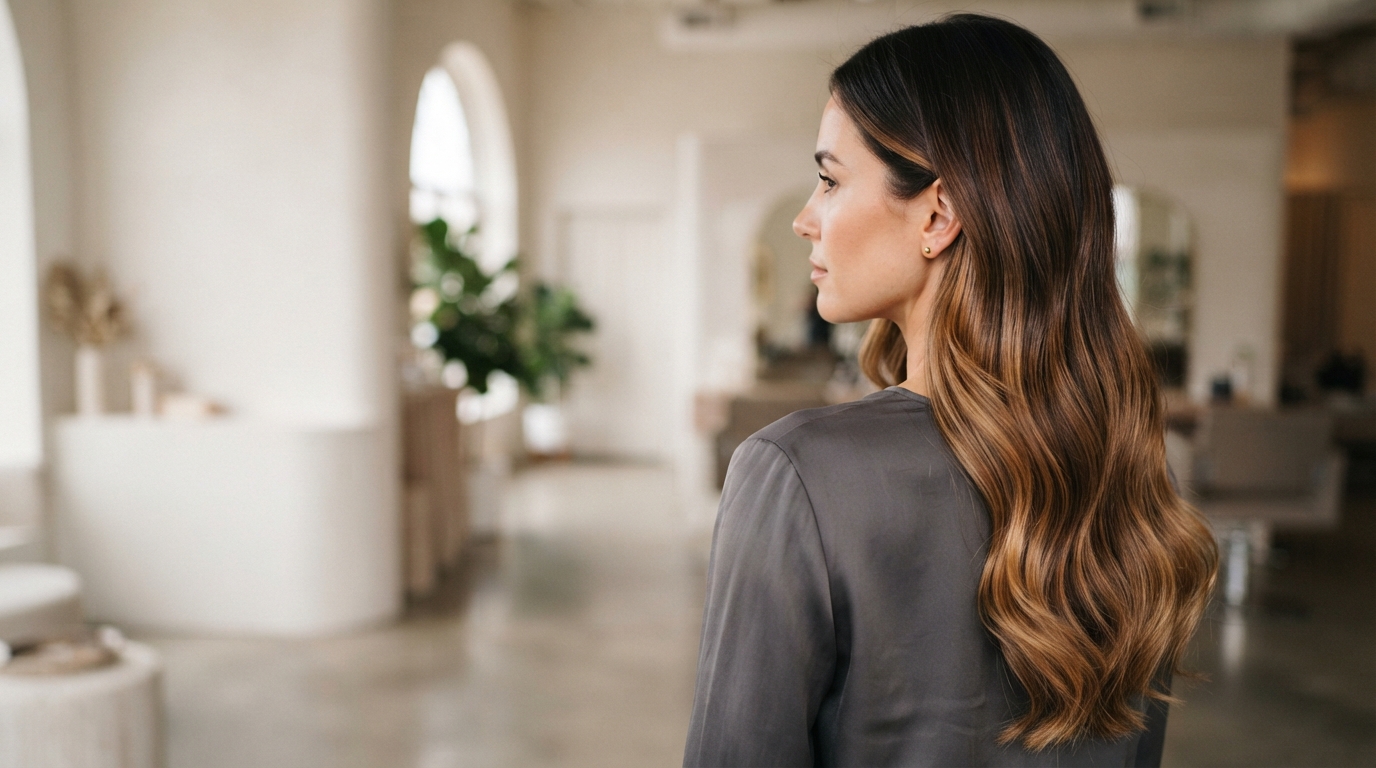
Color melting hair color is a salon technique designed to make several tones flow together with no obvious stopping point. Instead of a sharp root line or highly separated ribbons of light, the color moves gradually from a deeper base through the mid-lengths and into lighter or warmer ends. The finished result can be subtle or noticeable, but it should always look blended.
That seamless effect is why color melting has become a major hair-color conversation. Vogue describes color melting as a technique that blends root, mid-tone, and ends without visible demarcation. It is not a shortcut to zero maintenance, but a thoughtfully planned melt can make the grow-out line look softer than a high-contrast color service. The right result depends on your natural base, color history, hair condition, and preferred level of contrast.
What Is Color Melting Hair Color?
Color melting uses closely related shades to create a continuous transition from root to ends. A colorist may work with a deeper root tone, one or two shades through the mid-lengths, and a lighter or warmer tone at the ends. The exact formula and placement should be tailored in a professional consultation.
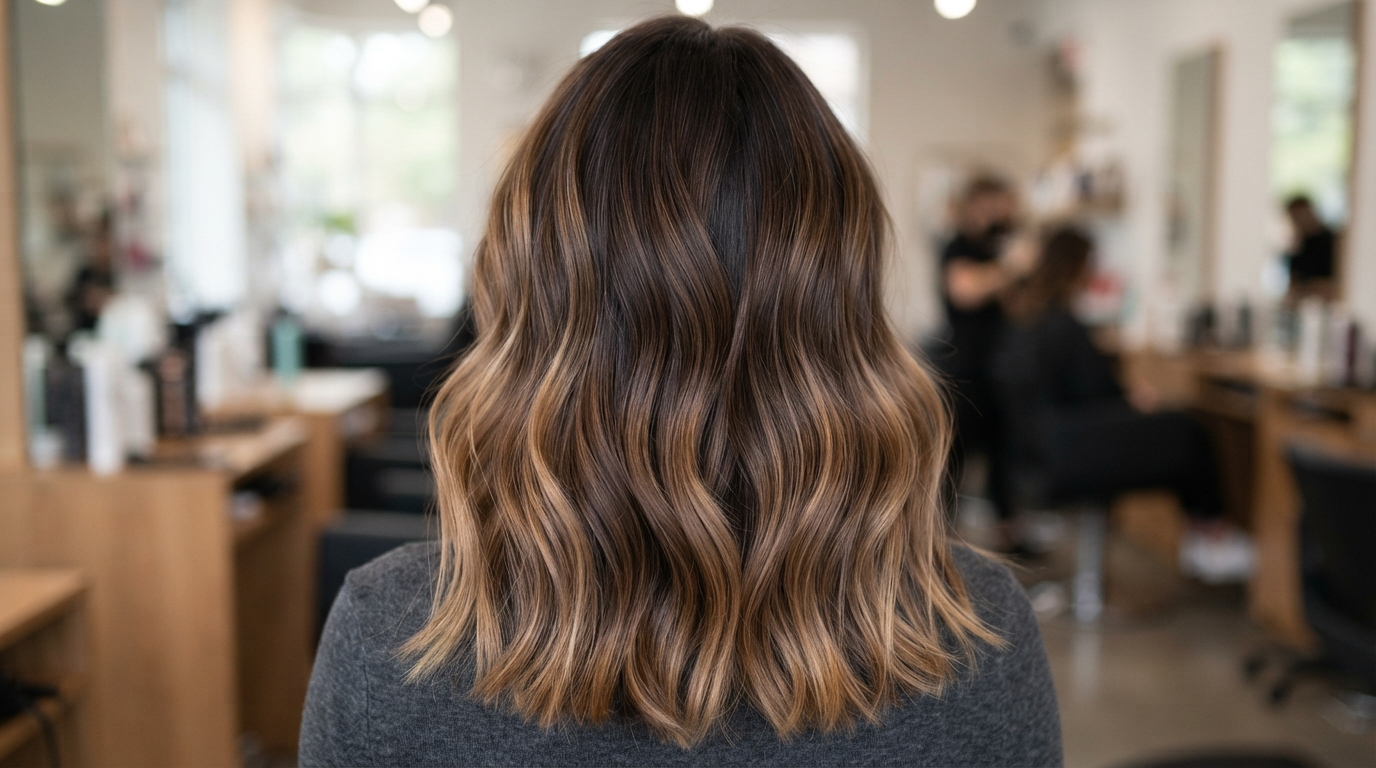
On a brunette base, this might look like espresso roots shifting into soft chestnut and caramel ends. On blonde hair, it could mean a rooted beige blend that moves into creamy ribbons. Copper, red, and dimensional dark-blonde versions are possible too. The colors do not need to be dramatically different. Even a small tonal shift can add movement when the shades are placed carefully.
Color Melting vs. Balayage and Highlights
These techniques can overlap, which is why reference photos and a clear consultation matter. Balayage is a hand-painted placement technique that often creates soft, sunlit ribbons. Highlights are usually placed in foils and can create more defined brightness, including closer to the root. Color melting is defined by the transition between shades. A stylist may use balayage, foils, glosses, or more than one method to achieve a blended finish.
If you are deciding between services, read our guide to balayage versus highlights. It explains the difference in placement and contrast. Color melting is worth discussing when you like dimension but want the root, middle, and ends to feel connected rather than distinctly separated.
Who May Like This Technique?
Consider color melting if you want dimension that feels gradual and tonal. It can suit people who want depth at the root while adding warmth, brightness, or richness through the lengths. It can also be useful when moving away from a stronger contrast toward a softer, more blended look.
What It Does Not Promise
A seamless blend does not mean every color service grows out the same way. Previous bleach, permanent dye, gray coverage needs, heat styling, and natural growth all affect maintenance. A colorist should explain what is realistic for your current hair and make a plan for refreshing tone, depth, or brightness.
Plan Your Color Melting Consultation
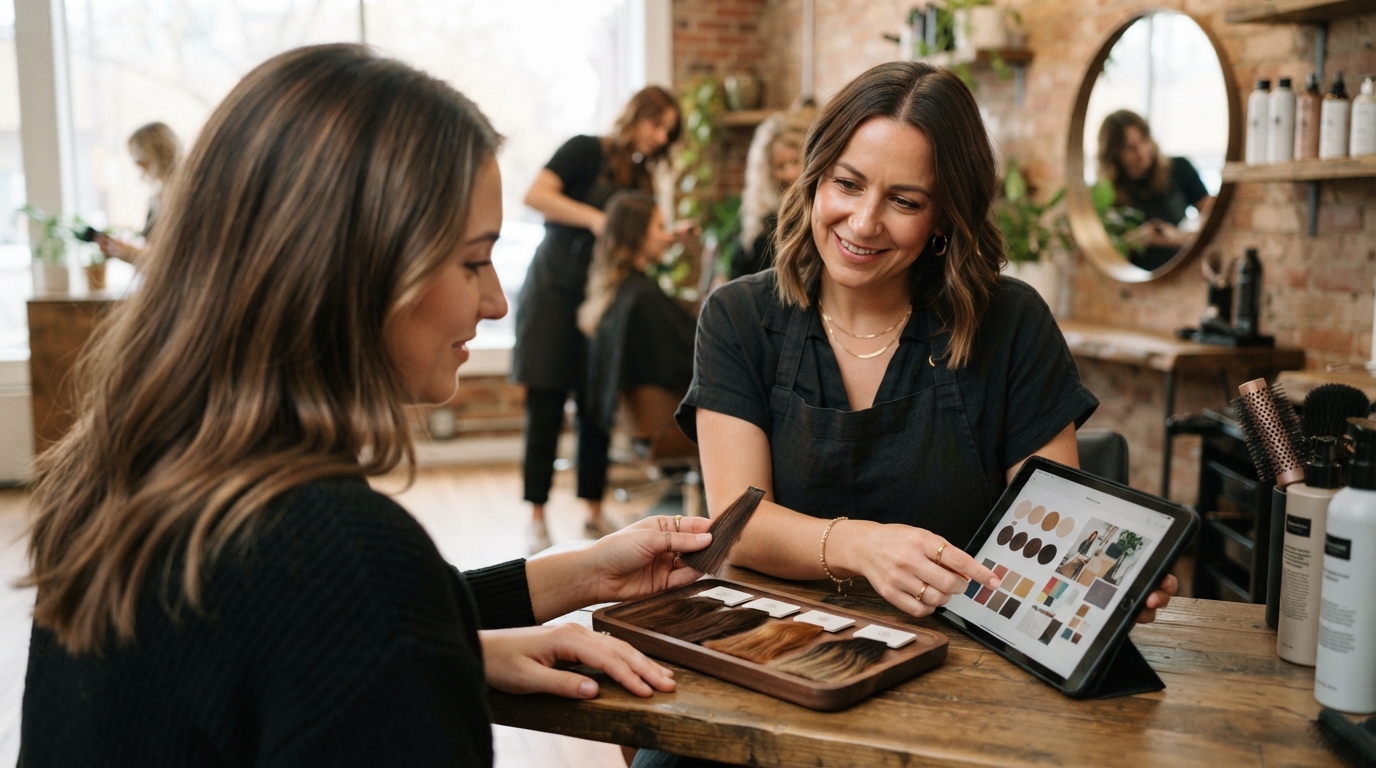
Bring two or three reference images that show the depth, warmth, and contrast you like. Choose pictures on hair similar to your own length and texture when possible. Then share every previous color service, including at-home color, lightener, glosses, and henna. Hair history helps a colorist choose an appropriate process and set realistic expectations.
You can use this consultation brief: “I would like a soft, low-contrast transition from my natural root through the mid-lengths to the ends. I want enough depth at the root to avoid a hard line, with blended dimension rather than stripey highlights.” Then ask which tones could complement your base and skin undertone. Our guide to choosing hair color for your skin tone can help you identify shades to discuss.
Questions to Ask
Ask how much lift is needed, whether a strand test is appropriate, and what the first appointment can realistically achieve. You can also ask whether the plan uses a root shadow, lowlights, gloss, balayage, or foils. The names matter less than understanding the final look and care plan. If you want a subtle change, say so. If you want brighter ends, specify that too.
Color Melting for Different Bases
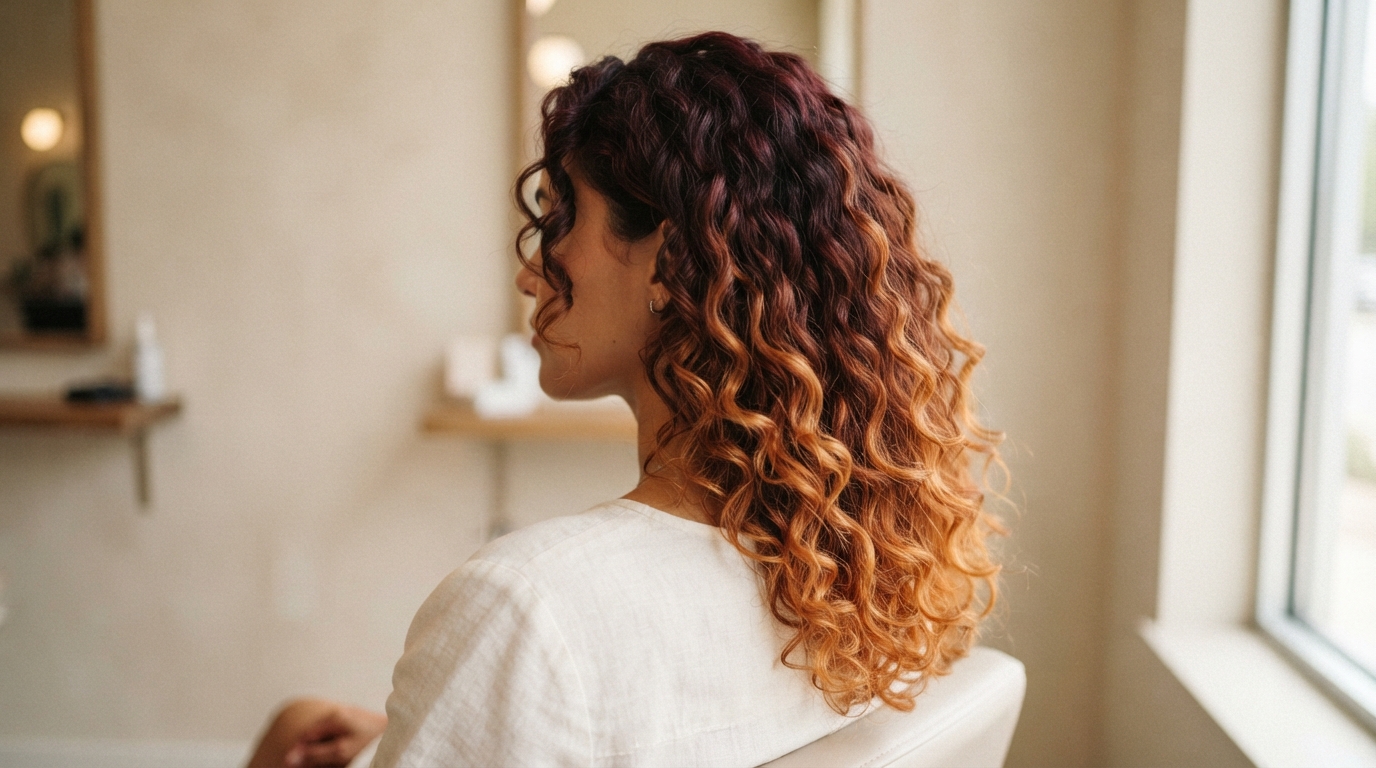
Blondes can use color melting to add depth near the root and blend beige, honey, or neutral tones through the lengths. Brunettes can choose a tonal shift from deep brown to chestnut, caramel, or soft golden ends. Copper and red hair can use related cinnamon, amber, and auburn shades for a warm dimensional finish. The technique can also work on curly and wavy hair, where movement often makes tonal changes especially visible.
Do not assume a reference photo will translate exactly to your hair. Starting level, porosity, density, curl pattern, and old color all influence the result. The American Academy of Dermatology advises caution with hair coloring, especially when significant lightening is involved. A professional assessment is particularly important for hair that feels dry, fragile, or has been repeatedly processed.
Maintain a Seamless Color Melt
Color melting can make a grow-out line look softer, but it still benefits from consistent care. Use a color-safe shampoo and conditioner, reduce unnecessary high heat, and apply heat protectant before hot tools. Sun, chlorine, saltwater, and frequent hot washing can all affect tone and shine. Ask your colorist whether a gloss or toner refresh fits your plan.
For a practical at-home routine, see our guide on maintaining hair color between salon visits. Focus on the condition of the hair as well as the color. Well-conditioned hair reflects light more evenly, which helps blended tones look intentional.
Frequently Asked Questions
Is color melting the same as balayage?
No. Balayage is a placement technique, while color melting describes the seamless transition between shades. A stylist may combine balayage with toning or other methods to create a color melt.
Does color melting work on dark hair?
It can. A brunette color melt may use subtle chestnut, caramel, or warm brown shifts instead of dramatic blonde ends. The best option depends on existing color and the amount of lightening your hair can comfortably support.
Is color melting low maintenance?
It may make regrowth look less abrupt than high-contrast color, but it still needs care. Color can fade or change tone, and lightened sections may need conditioning and periodic professional refreshes.
Color melting hair color is best viewed as a custom blend, not a one-size-fits-all formula. Bring clear inspiration, share your hair history, and agree on a realistic care plan. When the tones, placement, and maintenance match your goals, the result can look soft, dimensional, and naturally connected from root to ends.