
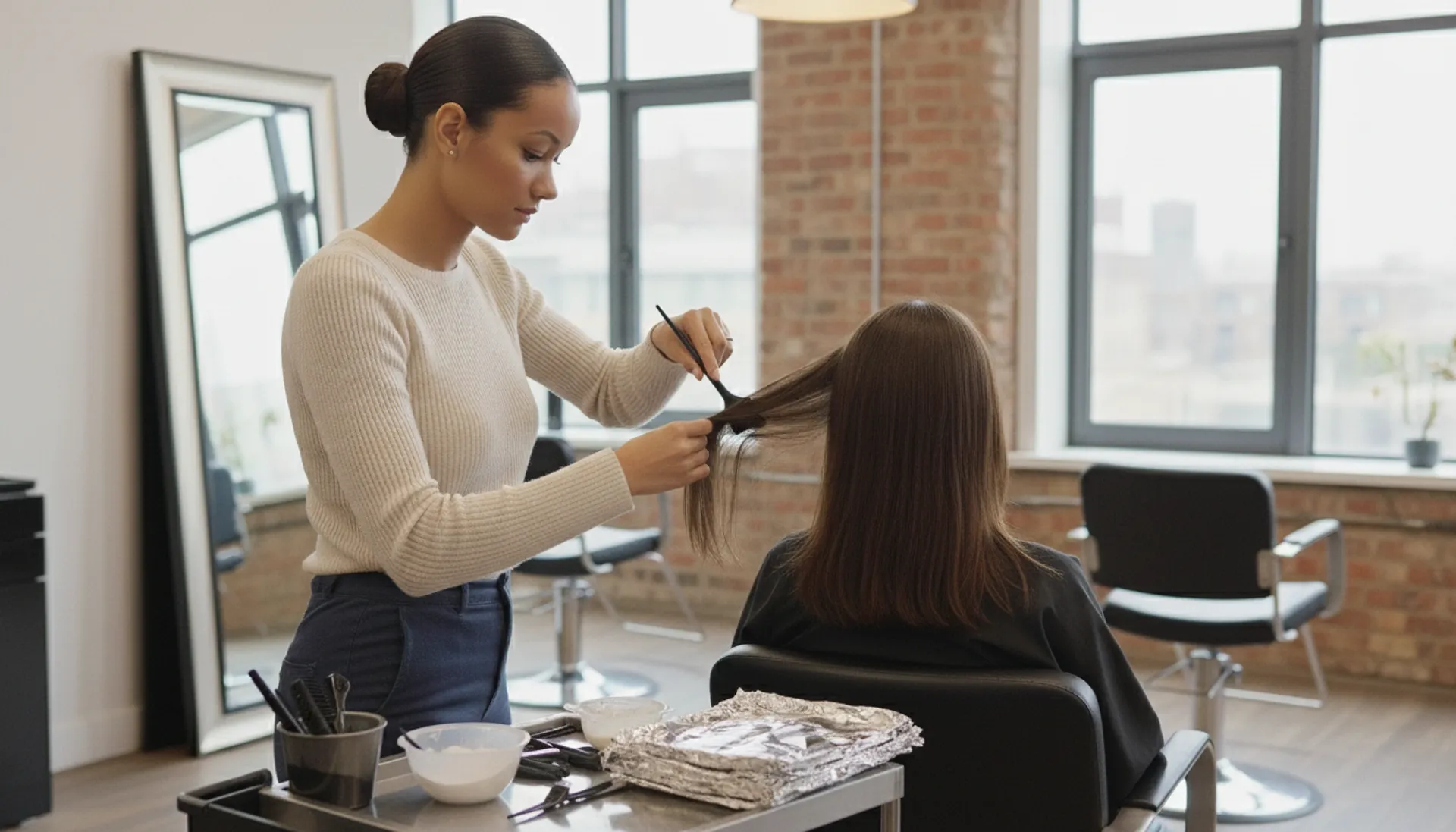
The Great Hair Color Debate: Balayage or Highlights?
Walk into any salon and you will hear clients say the same thing: “I want something lighter, but I am not sure what to ask for.” The balayage vs highlights conversation comes up every single day in salons across the country – and for good reason. Both techniques can transform your look, add dimension, and make your hair feel completely refreshed. But they deliver very different results, require different levels of maintenance, and suit different hair types and lifestyles.
If you have been sitting in the consultation chair wondering which one to choose, this guide breaks it all down. From how each technique works to which one fits your specific hair goals, you will walk away knowing exactly what to ask for on your next visit to your salon.
What Is Balayage and How Does It Work?
Balayage is a French word that translates to “to sweep,” and that sweeping motion is exactly how the color is applied. Rather than using foils or caps, a skilled colorist hand-paints lightener directly onto sections of the hair. The color is concentrated toward the mid-lengths and ends of the hair, with very little product applied near the roots. This creates a seamless gradient that mimics how hair would naturally lighten in the sun.
Because the technique is freehand, every balayage result is uniquely tailored to the individual. A good colorist considers your natural base color, face shape, and the overall look you want to achieve before making a single brushstroke. The result is soft, blended color that moves with your hair and does not draw attention to your root line as it grows in.
Types of Balayage You Can Ask For
Balayage is not a one-size-fits-all service. There are several variations your stylist can create based on your preferences:
- Classic Balayage: Soft sun-kissed color that brightens the hair with a natural gradient. Perfect for first-timers.
- Lived-In Balayage: A rooty, seamless look with a darker root and lighter ends. This is the most low-maintenance option and the best choice for those who want more time between appointments.
- High Contrast Balayage: Bold and bright with a darker root and very light ends, creating dramatic ribbons of dimension through the hair.
- Reverse Balayage: Ideal for those going from blonde to brunette. This technique adds depth and richness with lowlights rather than lightening.
- Air Touch Balayage: A newer technique that is gaining serious momentum in 2026. Instead of backcombing, the stylist uses a blow dryer to separate shorter inner layers from longer strands, then paints lightener only onto the longer pieces. The result is an incredibly seamless, natural-looking finish.
What Are Highlights and How Are They Different?
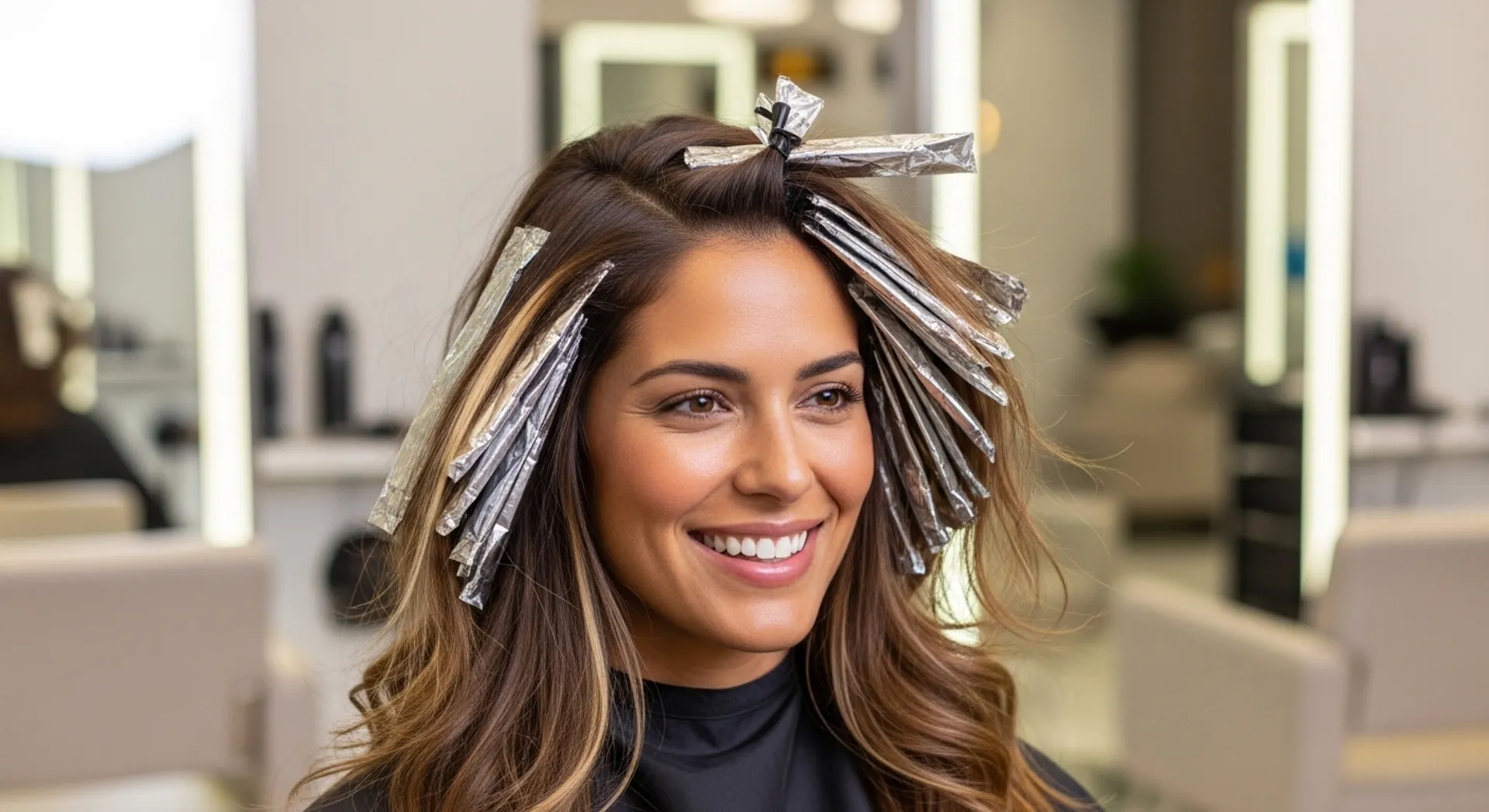
Traditional highlights have been a salon staple since the 1960s, and they remain incredibly popular for good reason. With this technique, a colorist weaves or slices small sections of hair, then wraps them in foil after applying lightener or permanent hair dye. The foil traps heat and helps the color process evenly from the root to the tip, creating uniform strands of brighter color throughout the hair.
Because highlights are applied from the root, they deliver a more structured and high-contrast look compared to balayage. The brightness is distributed more evenly throughout the hair, which creates a bold, polished finish that many clients love. However, this also means the root regrowth becomes more noticeable over time, which leads to more frequent touch-up appointments.
Popular Types of Highlights to Consider
Just like balayage, there are several ways your stylist can customize highlights to suit your look:
- Classic Foil Highlights: Uniform, bright strands that create strong contrast against your base color. A timeless choice for those who love a defined, polished look.
- Babylights: Ultra-fine, delicate highlights that mimic the natural lightness of a child’s hair. They create a very soft, dimensional look and blend beautifully with balayage.
- Chunky Highlights: Thicker sections of color for a bolder, more dramatic effect. These create high-contrast looks that stand out.
- Face-Framing Highlights: Concentrated around the face to brighten your complexion and draw attention to your features. This is currently one of the most searched highlight styles going into 2026.
- Lived-In Highlights: Soft, blended highlights that mimic balayage but are applied with foils. These provide a more natural look while still delivering the brightness of a traditional highlight.
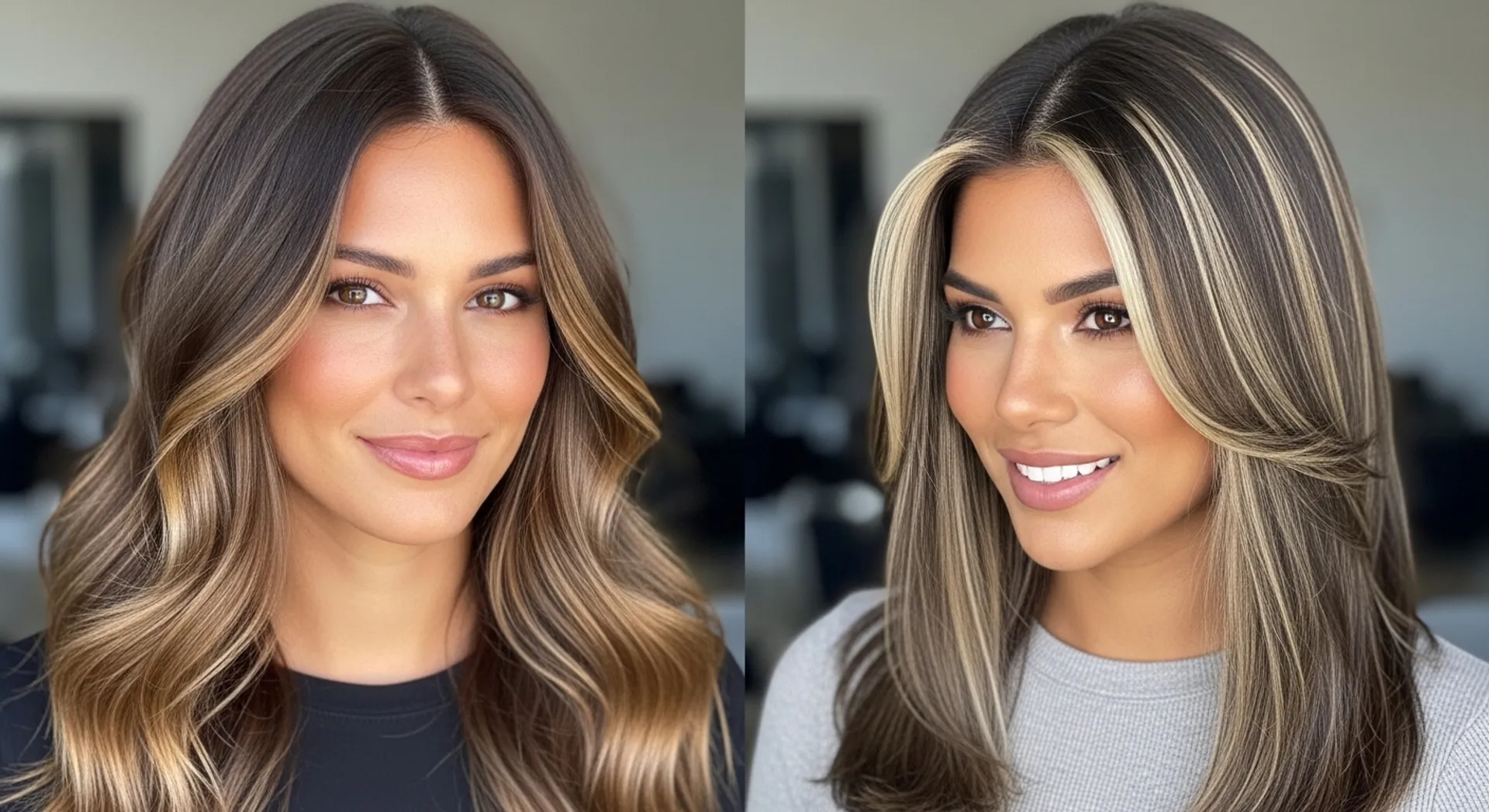
Balayage vs Highlights: A Side-by-Side Comparison
Now that you understand how each technique works, here is a direct comparison to help you make your decision.
Application Method
Balayage is applied freehand using a brush, without foils. Highlights use foils to wrap and separate each lightened strand. Balayage is more of an artform – the colorist has creative control over placement and saturation. Highlights follow a more structured, uniform pattern that delivers predictable results.
The Final Look
Balayage produces soft, blended color with a natural gradient and low contrast between the lightened strands and your base. Highlights deliver brighter, more defined strands with higher contrast and more uniform brightness from root to tip. If you want a lived-in, effortless look, balayage is your friend. If you want bold, bright, and structured, highlights deliver that result.
Maintenance and Touch-Up Frequency
This is one of the biggest deciding factors for many clients. Balayage grows out gracefully because it does not start right at the root – the regrowth line is soft and blends naturally with your base. Most clients can go three to four months between balayage appointments. Highlights, on the other hand, create a more defined line of demarcation at the roots, which means they typically need a touch-up every six to eight weeks to keep the look fresh.
Cost Comparison
Balayage services generally cost more upfront because they require more time and skill to execute well. However, because you need fewer appointments per year, the long-term cost often balances out. Highlights may cost less per session, but the frequency of maintenance can add up over the course of a year.
Hair Damage Consideration
Both techniques involve lightener, which means there is some level of chemical processing involved. However, balayage is generally considered the gentler of the two because the lightener does not start at the scalp and saturates fewer strands overall. Highlights, especially when applied from root to tip, process more of the hair and may cause more dryness if not properly maintained with quality products and conditioning treatments.
Which Technique Is Best for Your Hair Type?
Your hair type plays a major role in determining which technique will give you the best results. Here is a breakdown by hair type to help guide your decision.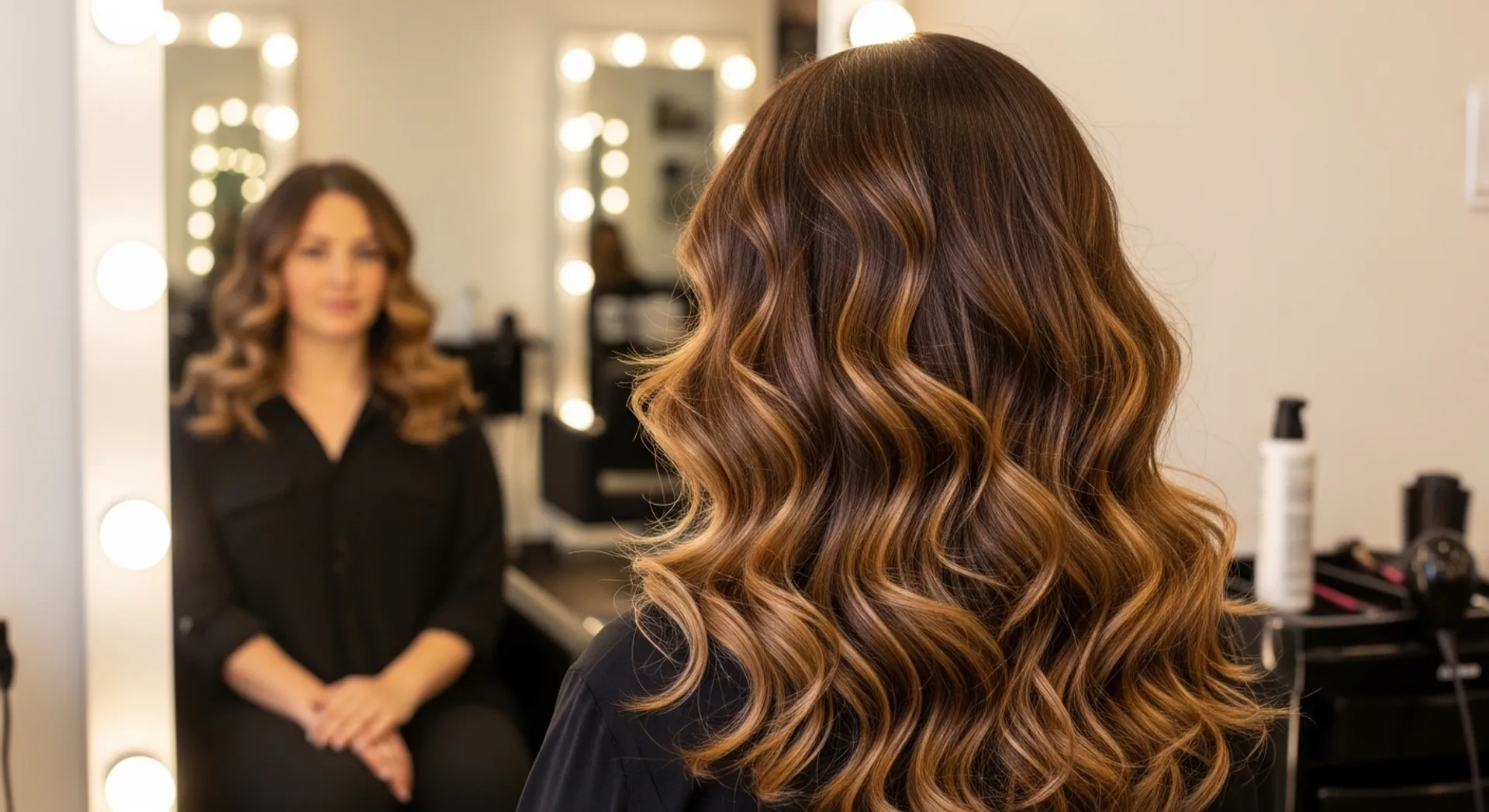
Fine or Thin Hair
For fine or thin hair, balayage is often the better choice. Because the technique does not saturate as much of the hair from root to tip, there is less overall damage, which is important for delicate strands. Balayage also adds the appearance of depth and dimension, which can make fine hair look fuller and more textured. That said, babylights – ultra-fine highlights – can also work beautifully on fine hair, creating a soft and natural effect without overwhelming the strands.
Thick or Coarse Hair
Thick and coarse hair can handle both techniques well. Highlights are a strong option here because the higher contrast creates definition that can sometimes get lost in very thick hair. Balayage also works beautifully, especially when paired with layers, as it highlights the movement and texture of thicker hair types.
Curly and Wavy Hair
Balayage is widely considered the gold standard for curly and wavy hair. The freehand application follows the natural pattern of the curls, adding dimension and depth without creating harsh lines. Because curly hair has more texture and movement, the soft blending of balayage enhances the natural beauty of the curl pattern. Highlights can be applied to curly hair, but they require a skilled colorist who understands how the foil placement will interact with the curl structure.
Straight Hair
Straight hair shows off both techniques equally well. Highlights on straight hair create a sleek, polished look with clean, bright strands. Balayage on straight hair delivers a more subtle, sun-kissed effect that adds softness and dimension without being too dramatic. The choice here really comes down to whether you prefer bold and structured or soft and natural.
Color-Treated or Previously Lightened Hair
If your hair has been previously colored or lightened, a professional consultation is essential before choosing either technique. The condition of your hair, the existing color, and any underlying warmth or brassiness will all influence which approach is safest and will give the best result.
Can You Combine Balayage and Highlights?
Absolutely – and many stylists actually recommend combining both techniques for a more customized, multi-dimensional result. One popular approach is to apply babylights or traditional foil highlights around the face for brightness and definition, then use balayage throughout the rest of the hair for softer, more blended color. This hybrid approach gives you the best of both worlds: the brightness and contrast of highlights where you want it, and the seamless, low-maintenance blend of balayage everywhere else.
Another popular combination is foilyage, which blends the balayage hand-painting technique with the processing power of foils. The freehand brushwork creates a soft, natural placement, while the foil adds heat for a brighter, more lifted result. It sits beautifully between the two techniques and is a great option for darker base colors that need more lift.
2026 Hair Color Trends to Inspire Your Next Appointment
Knowing the current trends can also help you decide which direction to take your color. Here are some of the top hair color directions heading into 2026 that work with both techniques:
- Teddy Bear Blonde: Warm, multi-dimensional blonde tones in caramel, chocolate, toffee, and gold. This look is achieved beautifully with balayage for a soft, dimensional result.
- Mocha Brunette: Rich, dimensional brunette packed with babylights and balayage for maximum body and movement.
- Bronde (Brown-Blonde): A sophisticated blend of brown and blonde that uses subtle highlights to add movement and lightness to a brunette base.
- Grey Blending: Rather than covering grey, many clients are choosing to embrace and enhance their natural grey with soft highlights that blend seamlessly into the base.
- Burnt Sienna: Earthy, red-brown tones with ribbons of copper, bronze, and tan applied through sweeps of balayage or ombre – one of the standout color directions of 2026.
You can explore more of the latest color trends on the Wella 2026 Hair Color Trends guide for inspiration before your appointment.
How to Choose: Questions to Ask Yourself
Still undecided? Work through these questions to help narrow it down:
- How often can you realistically get to the salon? If you prefer fewer visits, balayage is the lower-maintenance choice.
- Do you want subtle or bold color? Balayage delivers softness; highlights deliver contrast.
- What is your current hair condition? Compromised or previously over-processed hair may do better with the gentler saturation of balayage.
- What is your budget for the year? Factor in both the cost per service and the number of appointments you will need.
- What does your lifestyle look like? If you swim, spend time in the sun, or heat-style often, lower-maintenance color is usually the smarter choice.
For a deeper dive into the science of hair color and how to maintain it at home, Byrdie’s expert balayage guide offers helpful information on aftercare and product choices.